HUNGARY
TRAVEL GUIDE
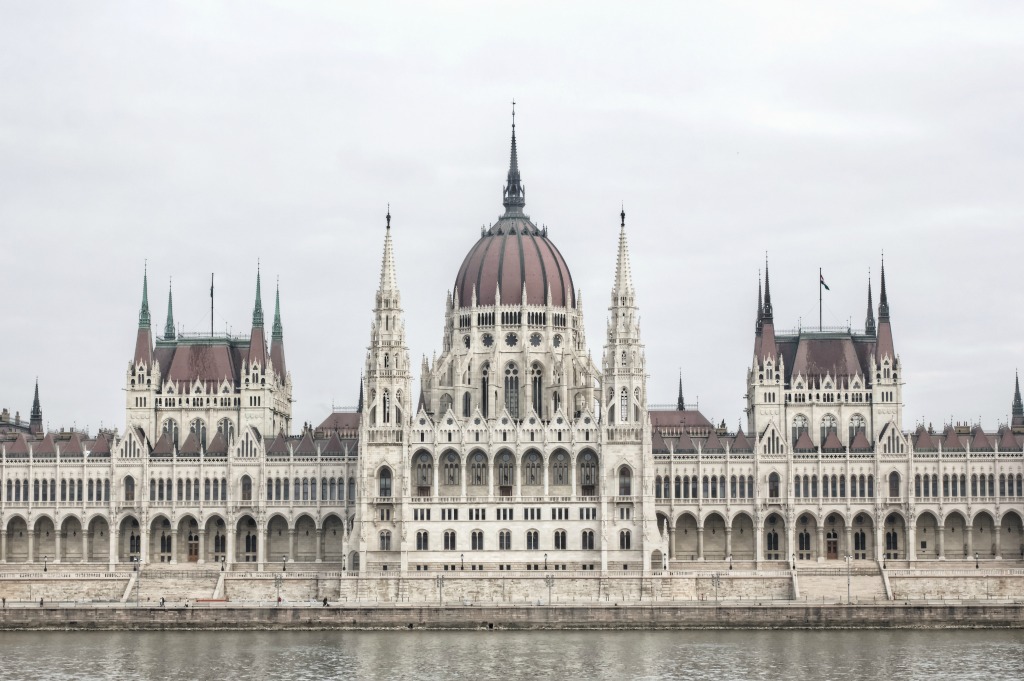
Discover the charm and beauty of Hungary, a captivating destination where history meets modernity. From the stunning architecture of Budapest’s Parliament Building and the serene waters of Lake Balaton to the traditional flavors of Hungarian cuisine, this travel guide unveils the country’s hidden gems and must-see attractions. Explore vibrant cities, picturesque countryside, and cultural treasures that will make you
Hungary Travel Guide
Welcome to the Hungary Travel Guide, your essential companion for exploring one of Central Europe’s most captivating countries. Hungary enchants with its grand capital Budapest straddling the Danube, thermal baths and thermal spas, historic castles, picturesque Lake Balaton, paprika-infused cuisine, rich folk traditions, and timeless cultural heritage. As you visit, you’ll marvel at Budapest’s Parliament and Buda Castle, soak in Széchenyi or Gellért baths, cruise the Danube, taste goulash and chimney cake, explore Eger’s wine region, or relax on Lake Balaton’s shores.
Hungary perfectly blends history, wellness, and gastronomy. Discover Budapest’s ruin bars and thermal culture, wander the UNESCO-listed Pécs or Eger old towns, hike in the Bükk or Mátra mountains, enjoy festivals and folk music, or day-trip to Szentendre’s artist colony or the Danube Bend. Whether you’re drawn by architecture, thermal spas, wine tasting, vibrant nightlife, or authentic Central European charm, Hungary delivers an unforgettable journey into the heart of the continent. For more inspiration, visit A Vagabond Life.
Discover Hungary’s Historic & Thermal Soul
Hungary captivates with its stunning capital Budapest and Danube views, iconic thermal baths like Széchenyi and Gellért, historic Buda Castle and Parliament, Lake Balaton’s beaches, paprika-rich cuisine, wine regions in Tokaj and Eger, and charming towns like Pécs and Szentendre. This Hungary Travel Guide invites you to soak in thermal waters, explore Baroque and Ottoman heritage, taste goulash and Tokaji wines, cruise the Danube, relax by Lake Balaton, and experience the warm hospitality of Central Europe’s hidden gem. For more inspiration, visit A Vagabond Life.
*Disclaimer: Prices, schedules, and availability for Hungary attractions may vary. Check official sources like visitbudapest.travel, hungarytourism.hu, or the local tourism office for the latest information before planning your trip.
How to Travel to Hungary
Need to Know
Essential facts to help you plan your trip to Hungary – from visa and currency to safety and connectivity.
Why Travel to Hungary
Tip: Hungary blends grand architecture, thermal spas, rich history, paprika cuisine, Lake Balaton, and vibrant Budapest.
Why: Iconic sites like Buda Castle, Parliament, Széchenyi Baths, Danube views, Eger wine region, and folk traditions make it endlessly captivating.
How: Visit thermal baths (€15–30), enjoy goulash and chimney cake (€8–20), and book Danube cruises or wine tours (€30–80).
Do I Need a Visa
Tip: Schengen visa rules apply – 90 days visa-free for many nationalities (EU, US, Canada, Australia, UK, etc.). ETIAS required from late 2026 (€7).
Why: Allows legal short stays in the Schengen Area (up to 90 days in 180).
How: Check eligibility on official EU sites. Apply for ETIAS online once launched (for visa-exempt). Passport valid 3 months beyond stay. Visa if needed (€90 Schengen fee).
What is the Currency of Hungary
Tip: The currency is the Hungarian Forint (HUF). Average daily budget €60–150 depending on Budapest vs countryside and season.
Why: Forint is standard across Hungary for easy payments.
How: Contactless cards/Apple Pay widely accepted. Use ATMs (€2–5 fee possible). Avoid high-fee exchanges. Consider Revolut/Wise for low-cost transfers.
Is Hungary Expensive to Visit
Tip: Costs vary – Budapest is pricier; Lake Balaton, Eger, Pécs, and off-season are more affordable.
Why: Options from budget hostels to luxury spas; meals €8–30, thermal baths €15–30, trains €10–40.
How: Stay in guesthouses/Airbnb (€40–120). Eat at local restaurants (€10–25). Book trains via MÁV or buses via Volánbusz for deals.
Can I Drink the Tap Water
Tip: Tap water is generally safe and high-quality across Hungary, including Budapest.
Why: One of Europe’s best tap water supplies; locals drink it daily.
How: Drink tap water confidently. Bottled water (€0.50–1.50) available if preferred. Refill at public fountains where marked safe.
Can I Buy a SIM Card
Tip: Prepaid SIM or eSIM easy to get for data and calls (€10–35).
Why: Strong 4G/5G coverage nationwide for maps, trains, and staying connected.
How: Buy at airports, Telekom, Vodafone, or Yettel shops. eSIM via Airalo or Jetpac (€5–25). Top up online or in-app. EU roaming free for many plans.
Practical Tips for Traveling in Hungary
Everything you need to know before you go – from visas and money to safety and transport.
Visa and Documentation
Tip: Schengen visa rules: 90 days visa-free for many nationalities. Passport valid 3 months beyond stay. ETIAS required from late 2026 (€7).
Why: Allows hassle-free entry for tourism within the Schengen Area (up to 90 days in 180).
How: Check eligibility on official EU sites. Apply for ETIAS online once launched (no action needed yet). Carry proof of funds, accommodation, and return ticket. Hungary is fully Schengen.
Currency and Payments
Tip: Hungarian Forint (HUF) is the currency. Cards (Visa/Mastercard) widely accepted in cities; contactless and mobile pay common.
Why: Convenient for most payments; cash useful in rural areas, markets, or small cafés.
How: Use ATMs for withdrawals (€2–5 fee possible). Apps like Revolut/Wise for low fees. Carry HUF 20,000–50,000 cash for rural spots or small vendors.
Language and Communication
Tip: Learn basics: “Jó napot” (good day), “Köszönöm” (thank you), “Kérem” (please).
Why: English widely spoken in Budapest tourist areas, hotels, and younger people; less so in rural Hungary or older generations.
How: Use Google Translate offline. Buy prepaid SIM (€10–30) from Telekom, Vodafone, or Yettel for data. Smile and “Jó napot” helps everywhere.
Safety and Dangers in Hungary
Tip: Beware pickpocketing in Budapest (metro, Váci utca, markets). Avoid demonstrations in Budapest. Traffic accidents higher than Western Europe.
Why: Petty crime in tourist hotspots; low violent crime overall. Rural roads can be narrow/poorly lit.
How: Use anti-theft bags. Stay aware in crowds. Follow local traffic rules. Register with embassy apps. Level 1 advisory (normal precautions).
More Safety Tips for HungaryAccommodation Options
Tip: Budget hostels in Budapest (€20–60/night), apartments (€50–120/night), hotels (€80–250/night), thermal spa hotels (€100–300).
Why: Wide range from hostels to luxury thermal resorts suits all budgets.
How: Book via Booking.com or Airbnb. Look for off-peak or shoulder-season deals. Consider family-run pensions in countryside towns.
Transportation
Tip: Trains (MÁV €10–50), buses (Volánbusz €5–30), Budapest metro/tram (€1.20/ticket), taxis/Bolt (€5–15 short rides).
Why: Excellent rail and bus network connects cities; Budapest public transport efficient and affordable.
How: Buy train tickets via MÁV app or station. Use Budapest BKK app for public transport. Bolt/Uber cheaper than taxis. Rent car for countryside (€30–70/day).
How to Get to & Around Hungary
Everything you need to know about arriving in Hungary and moving around Budapest and the countryside.
Travel & Transport
International Arrival
Tip: Fly into Budapest (BUD) – Hungary’s main international gateway. Flights €150–600 from North America, €40–250 from Europe. Other gateways: Debrecen (DEB), Sármellék (SOB – seasonal).
Why: Budapest handles most long-haul and European flights with excellent worldwide connections; many low-cost carriers serve BUD.
How: Compare flights on Skyscanner or Google Flights. Trains from Vienna, Bratislava, Prague (ÖBB, RegioJet €20–80). Buses (FlixBus) from neighboring countries (€15–60). No direct ferries (landlocked country).
Domestic Transport Options
- Trains (MÁV) – €5–40 Budapest–Debrecen, Szeged, Pécs, Eger. Why: Comfortable, scenic, frequent high-speed InterCity to major cities. How: Book via MÁV app or mavcsoport.hu; buy at stations; Eurail/Interrail passes accepted.
- Buses (Volánbusz) – €5–25 shorter routes. Why: Connects smaller towns, Lake Balaton, villages where trains don’t go. How: Tickets at stations or volanbusz.hu; frequent departures from Budapest Népliget or Stadion terminals.
- Budapest Public Transport (BKK) – €1.20 single ticket, €4.10 day pass. Why: Metro, tram, bus, trolleybus cover city efficiently. How: Buy tickets at machines/app; contactless accepted; Budapest Card for tourists includes transport + attractions.
- Taxis / Rideshares (Bolt) – €5–15 city rides, €20–35 airport. Why: Convenient in Budapest; Bolt cheaper than traditional taxis. How: Use Bolt app (widely used); fixed airport rates posted; avoid unofficial taxis.
- Car Rental – €30–70/day. Why: Essential for countryside (Danube Bend, Lake Balaton, wine regions, national parks). How: Rent at airport or city (Rentalcars.com, Sixt, etc.); drive on right; vignette required for motorways (e-matrica.hu, €10–30/10 days).
- Walking & Biking in Cities – Free or €5–15/day rental. Why: Best way to explore Budapest (Danube promenade, Buda Castle, ruin bars) or smaller towns. How: Rent bikes via MOL Bubi (Budapest) or local shops; wear good shoes for hilly Buda.
- Danube River Boats / Cruises – €10–50 short hops, €30–100 dinner cruises. Why: Scenic way to see Budapest sights or day-trip to Szentendre/Visegrád. How: Book at Vigadó tér or via Legenda Cruises; popular sunset/dinner options.
When to Go to Hungary
Plan your perfect trip with our guide to weather, festivals, crowd levels, and regional highlights.
Best Time to Visit
Tip: Travel in late spring (May–early June) or early fall (September–early October) for pleasant weather, fewer crowds, and lower prices.
Why: Mild temperatures (15–25°C), blooming spring or golden autumn colors, comfortable for Budapest sightseeing, thermal baths, and Lake Balaton, with manageable crowds.
How: Book Budapest hotels and Lake Balaton accommodations 2–3 months ahead. Pack layers for cooler evenings. Avoid peak July–August for lower costs and easier train bookings.
Weather by Season
Spring (Mar–May): 8–22°C. Blooming tulips/parks, mild days; ideal for Budapest, Eger, Pécs; occasional rain early spring.
Summer (Jun–Aug): 22–32°C+. Warm and sunny; perfect for Lake Balaton beaches, festivals, and thermal baths but hot and crowded in Budapest.
Fall (Sep–Nov): 12–24°C. Warm days, cooler nights; great for wine harvest (Tokaj, Eger), fewer crowds; rain increases late fall.
Winter (Dec–Feb): -5–8°C. Cold and snowy (especially north); Christmas markets in Budapest lively; thermal baths magical in winter.
Major Festivals & Events
Budapest Spring Festival (Mar–Apr): Classical music, opera, theater, and art events across the city.
Szeged Open-Air Festival (Jul–Aug): Opera, concerts, theater on the Tisza River.
Budapest Wine Festival (Sep): Hungarian wines, food, music at Buda Castle.
Sziget Festival (Aug): Europe’s largest music festival on Óbudai Island (Budapest).
Christmas Markets (Nov–Dec): Iconic markets at Vörösmarty Square and Basilica with mulled wine and chimney cake.
Crowd Levels & Costs
Peak Season (Jul–Aug & Christmas/New Year): Hotels +30–100%. Budapest and Lake Balaton busiest. Thermal baths and festivals crowded.
Low Season (Nov–Mar, excluding Christmas): 30–60% cheaper. Many countryside hotels/spas quieter; Budapest still lively with Christmas markets.
Shoulder Season (May–Jun & Sep–Oct): Best balance – pleasant weather, swimmable Lake Balaton, fewer crowds, better hotel/train deals.
Regional Travel Tips
Budapest: Year-round. Spring/fall for sightseeing comfort; summer hot but vibrant festivals; winter for thermal baths and markets.
Lake Balaton: Jun–Sep for beaches/swimming; spring/fall for cycling and wine; winter quiet but some spas open.
Northern Hungary (Eger, Tokaj): Year-round for wine tasting; fall for harvest festivals; winter for cozy cellars.
Southern Hungary (Pécs): Spring/fall for historic town walks; summer for festivals; mild winters.
Packing Essentials
Spring/Fall: Layers, light jacket, scarf, comfortable walking shoes (cobblestones), umbrella/raincoat.
Summer: Breathable clothes, hat, sunglasses, high SPF sunscreen, swimsuit for Lake Balaton, sturdy sandals.
Winter: Warm layers, waterproof jacket, boots, thermal underwear; swimwear for indoor baths.
Year-round: EU plug adapter (Type C/F), reusable water bottle, cross-body bag, modest clothing for churches/castles, good walking shoes.
Top Destinations in Hungary
Discover 8 must-visit places from the vibrant capital to thermal spas, wine regions, lakes, and historic towns.
Top Destinations in Hungary
Budapest
Tip: Buy the Budapest Card (€33–99) for free public transport, entry to baths and museums, and discounts.
Why: Stunning capital split by the Danube with Buda Castle, Parliament, thermal baths, ruin bars, and vibrant culture.
Must-See:
- Buda Castle & Fisherman’s Bastion
- Hungarian Parliament & Chain Bridge
- Széchenyi or Gellért Thermal Baths
- Great Market Hall & ruin bars in Jewish Quarter
How: Fly into BUD (€150–600). Stay in District V or VII (€60–250/night). Use metro/tram (€1.20/ticket) or walk.
Lake Balaton
Tip: Visit in summer for swimming or fall for wine festivals. Rent a bike to explore the shore path.
Why: Hungary’s “inland sea” with beaches, thermal spas, vineyards, and charming towns like Siófok, Balatonfüred, Tihany.
Must-See:
- Tihany Peninsula & Abbey
- Balatonfüred & Anna Grand Hotel
- Siófok beaches & nightlife
- Badacsony wine region & hiking
How: Train from Budapest (€10–20, 2 hrs). Rent car/bike (€20–50/day). Stay in Balatonfüred or Siófok (€50–180/night).
Eger
Tip: Visit the Valley of Beautiful Women (Szépasszonyvölgy) for wine tastings in cellars. Combine with thermal baths.
Why: Historic Baroque town with castle, minaret, thermal baths, and famous Bull’s Blood (Egri Bikavér) wine.
Must-See:
- Eger Castle & Captain’s Tower
- Minaret (tallest in Europe)
- Valley of Beautiful Women wine cellars
- Eger Thermal Baths & Turkish Bath
How: Train/bus from Budapest (€10–20, 2 hrs). Stay in Eger center (€50–150/night). Walk or rent bike.
Pécs
Tip: Explore the Early Christian Necropolis (UNESCO) and Zsolnay porcelain museum. Visit in spring/fall.
Why: Multicultural city with Roman/Christian heritage, Ottoman mosques, colorful Zsolnay tiles, and Mediterranean vibe.
Must-See:
- Early Christian Necropolis & Mausoleum
- Mosque of Pasha Qasim & Zsolnay Fountain
- Szechenyi Square & Zsolnay Museum
- Mecsek Hills hiking
How: Train from Budapest (€15–30, 2.5 hrs). Stay in Pécs center (€50–140/night). Walk or bus.
Debrecen
Tip: Visit the Great Forest (Nagyerdő) and visit the Déri Museum. Great base for Hortobágy National Park.
Why: Hungary’s second-largest city with Calvinist heritage, Art Nouveau architecture, thermal baths, and proximity to Hortobágy plains.
Must-See:
- Great Reformed Church & Kossuth Square
- Déri Museum & Fountain
- Nagyerdő Park & Aquaticum Spa
- Hortobágy National Park day trip
How: Train from Budapest (€15–35, 2.5 hrs). Stay in Debrecen center (€50–130/night). Use local buses.
Szentendre
Tip: Visit on a sunny day for the artist colony atmosphere. Combine with Danube Bend (Visegrád, Esztergom).
Why: Picturesque Danube town with colorful houses, art galleries, museums, and Mediterranean-like charm.
Must-See:
- Main Square & Blagovestenska Church
- Serbian Museum & Marcipan Museum
- Skanzen Open-Air Museum
- Danube promenade
How: HÉV train from Budapest (€5, 40 min). Stay in Szentendre (€60–180/night). Walk the town.
Tokaj
Tip: Do a wine cellar tour in the hillside. Visit in fall for harvest season.
Why: UNESCO wine region famous for sweet Tokaji Aszú and dry Furmint; picturesque cellars and hills.
Must-See:
- Tokaj wine cellars & Disznókő winery
- Tokaj Museum & Old Town
- Tokaj Hill viewpoint
- Bodrog River boat trip
How: Train/bus from Budapest (€15–30, 2.5 hrs). Stay in Tokaj (€60–160/night). Rent bike or join wine tours.
Danube Bend
Tip: Visit Visegrád Castle and Esztergom Basilica in one day. Best by car or boat.
Why: Scenic stretch with castles, historic towns (Visegrád, Esztergom), nature, and Danube views.
Must-See:
- Visegrád Citadel & Renaissance Palace
- Esztergom Basilica & Treasury
- Danube Bend lookout points
- Szentendre & Vác towns
How: Train/bus from Budapest (€10–20, 1 hr). Rent car (€30–70/day) or join tours (€50–100). Stay in Szentendre/Visegrád (€60–180/night).