Russia Travel Guide


RUSSIA

TRAVEL GUIDE

Explore the wonders of Russia with our comprehensive travel guide, designed to immerse you in the rich history, vibrant culture, and stunning landscapes of this vast country. From the iconic landmarks of Moscow and St. Petersburg to the serene beauty of Siberia and the Far East, discover the best attractions, culinary delights, and cultural experiences. Our guide provides essential tips on planning your trip, navigating transportation, and ensuring a safe and memorable adventure in Russia.

Russia Full-Width Sidebar
Magnificent Russia Travel Guide

Magnificent Russia Travel Guide: Your Gateway to Unforgettable Adventures

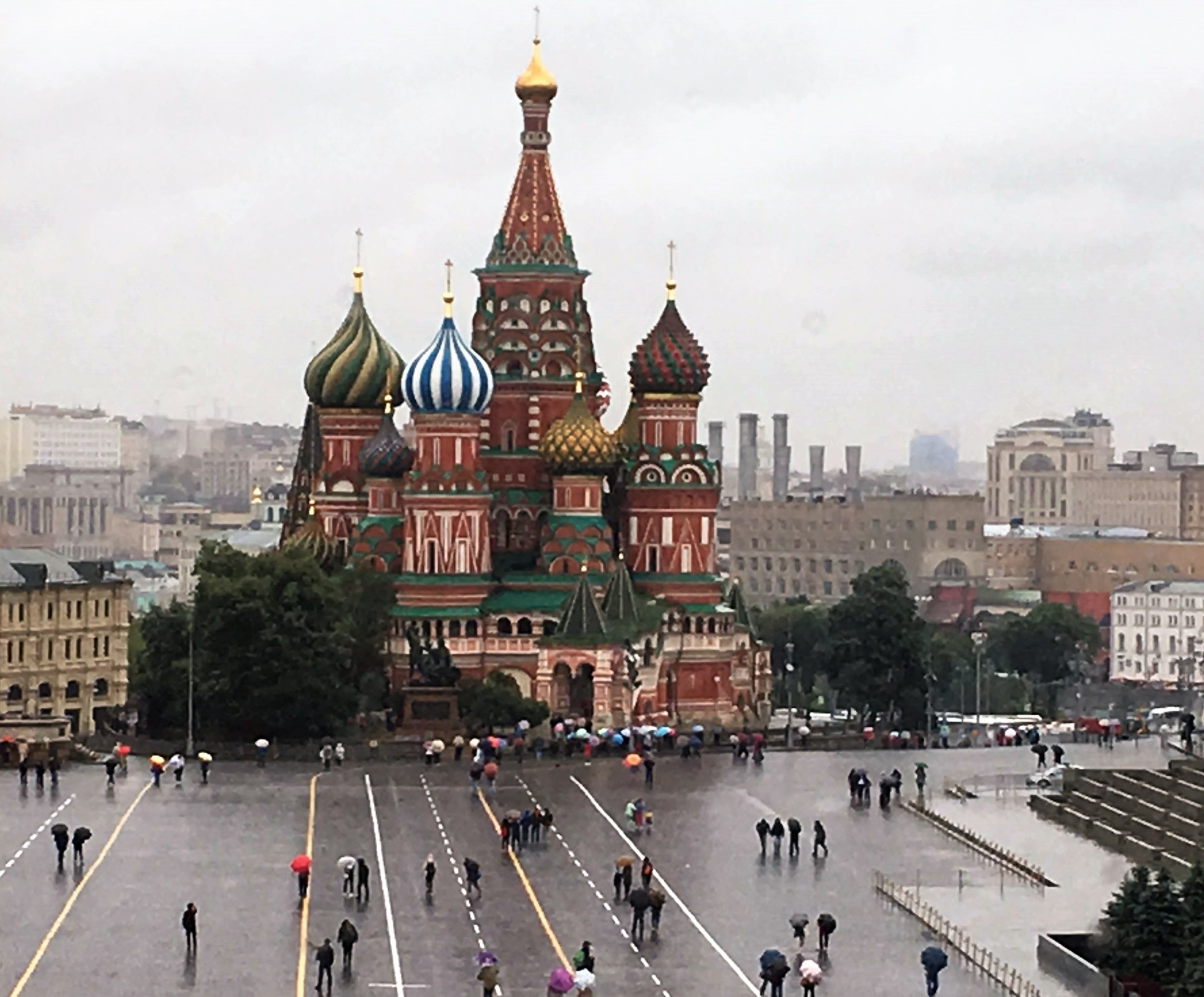
Welcome to the Magnificent Russia Travel Guide, your essential companion for exploring one of the world's most vast and captivating countries. Russia enchants with its grand imperial cities, onion-domed cathedrals, legendary museums, rich cultural heritage, hearty cuisine, and breathtaking natural wonders—from the historic splendor of Moscow's Red Square and the fairy-tale palaces of St. Petersburg to the world's deepest lake, Lake Baikal, the epic Trans-Siberian Railway journey, dramatic Caucasus mountains, and the unique blend of history and modernity in cities like Kazan and Sochi. This guide covers eight top destinations, cultural experiences, and practical tips to ensure a seamless and unforgettable journey. Whether you’re marveling at the colorful domes of Saint Basil’s Cathedral, wandering the opulent halls of the Hermitage, riding the legendary railway across Siberia, savoring traditional dishes like borscht and pelmeni, or exploring ancient kremlins and remote wilderness, let this guide inspire your adventure in Russia.

How to Travel to Russia

Russia Travel: Need to Know

Need to Know

Essential facts to help you plan your trip to Russia – from visa and currency to safety and connectivity.

Why Travel to Russia

Tip: Russia offers iconic landmarks, imperial palaces, rich history, world-class museums, hearty cuisine, and dramatic landscapes from Lake Baikal to the Caucasus Mountains.

Why: Must-see sites like Moscow's Red Square and Kremlin, the Hermitage in St. Petersburg, the epic Trans-Siberian Railway, the deepest lake on Earth (Baikal), colorful onion-domed cathedrals, and vibrant cities like Kazan make it unforgettable and culturally immersive.

How: Visit major sites (€10–30 entry), enjoy traditional meals like borscht and pelmeni (€8–25), and book experiences via local tours (€30–80) for guided museum visits or Trans-Siberian segments.

Do I Need a Visa

Tip: Most Western nationalities (US, Canada, UK, Australia, EU) require a visa in advance; no visa-free entry for these passports in 2026. E-visa available for many EU/Schengen citizens and select others (up to 30 days, single entry).

Why: Strict enforcement; apply well ahead via Russian consulate/embassy or e-visa portal where eligible. US citizens often get multi-year options but must plan carefully.

How: Check eligibility on the Russian MFA website or consulate. For e-visa (where available), apply online. Passport valid 6 months beyond stay recommended. Traditional visa needs invitation/support docs (fees vary, processing weeks/months).

What is the Currency of Russia

Tip: The currency is the Russian Ruble (RUB). Average daily budget €60–150 depending on style (cash still essential in many places).

Why: Rubles are standard; Western cards often don't work due to sanctions—bring cash (EUR/USD) to exchange locally.

How: Exchange at banks/official offices in cities for best rates. ATMs possible but fees/high limits apply. Use apps like Wise if possible for transfers. Avoid street exchanges; carry new-condition banknotes.

Is Russia Expensive to Visit

Tip: Affordable compared to Western Europe – Moscow and St. Petersburg are moderate, other regions even cheaper, though sanctions affect logistics.

Why: Options from budget hostels to mid-range hotels; meals €5–30, transport €1–20 locally, intercity trains/flights reasonable.

How: Stay in hostels/Airbnb (€40–100). Eat at local cafes or markets (€6–15). Use metro/apps for city travel, Sapsan trains or Aeroflot for longer distances (€20–100).

Can I Drink the Tap Water

Tip: Generally treated and safe in major cities like Moscow and St. Petersburg, but most locals and visitors prefer bottled due to taste, chlorine, or old pipes.

Why: Quality varies by region; bottled water is cheap, widely available, and the safe default choice for travelers.

How: Stick to bottled (“вода”) especially outside big cities. Use hotel/accommodation filters if provided. Boiling or bottled is recommended for caution in rural areas.

Can I Buy a SIM Card

Tip: Prepaid SIM or eSIM easy and affordable for data (€5–25 for good plans).

Why: Strong 4G/5G coverage in cities and along major routes for maps, apps, and communication.

How: Buy at airports, shops, or supermarkets (MTS, Beeline, Megafon tourist packs). eSIM via Airalo, Ubigi, or similar (€5–30). Passport registration often required for physical SIMs; top up via app/online.

Practical Tips for Traveling in Russia

Practical Tips for Traveling in Russia

Everything you need to know before you go – from visas and money to safety and transport.

Visa and Documentation

Tip: Most Western nationalities (US, UK, Canada, Australia, many EU) require a visa in advance; no visa-free entry. E-visa available for select EU/Schengen and other nationalities (up to 30 days single-entry). Passport valid at least 6 months beyond stay recommended.

Why: Strict rules enforced; many countries ineligible for e-visa (including US, UK, Canada, Australia). Processing can take weeks/months for standard visas.

How: Check eligibility on Russian MFA or consulate sites. Apply for e-visa online if eligible; otherwise via embassy with invitation/support docs. Carry proof of accommodation, funds, return ticket, and travel insurance.

Currency and Payments

Tip: Russian Ruble (RUB) is the currency. Western cards (Visa/Mastercard) do not work due to sanctions; cash (EUR/USD in good condition) essential for exchange.

Why: Sanctions block most international cards and transfers; MIR cards or local options needed. Foreign currency withdrawals restricted until at least Sept 2026.

How: Bring cash to exchange at banks/official offices in cities (best rates). Use local ATMs if possible (high fees/limits). Apps like Wise limited; carry RUB 50,000+ equivalent for flexibility. Avoid street exchanges.

Language and Communication

Tip: Learn basics: “Здравствуйте” (hello), “Спасибо” (thank you), “Говорите по-английски?” (Do you speak English?).

Why: English common in tourist areas of Moscow/St. Petersburg but limited elsewhere; Cyrillic signs/apps helpful.

How: Use Google Translate offline (download Russian pack). Buy prepaid SIM (€5–25) from MTS, Beeline, or Megafon for data. Register passport for physical SIM if required; eSIM via Airalo/Ubigi works well.

Safety and Dangers in Russia

Tip: Many governments (US, UK, Canada, Australia) advise Level 4: Do Not Travel due to terrorism, unrest, wrongful detention risks, and limited consular help. Petty crime (pickpocketing, scams) in crowds; avoid border regions.

Why: Ongoing geopolitical issues, arbitrary law enforcement, terrorism threats (e.g., past attacks), and reduced embassy support make travel high-risk for many nationalities.

How: Stay vigilant in public places; use official apps/taxis (Yandex Go). Avoid political discussions, protests, or sensitive areas. Register with embassy; have emergency contacts. Follow latest advisories closely.

More Safety Tips for Russia (US State Dept)

Accommodation Options

Tip: Budget hostels (€20–60/night in cities), mid-range hotels/Airbnb (€60–150/night), higher-end options (€150+). Use local platforms like Ostrovok or Zenhotels.

Why: Wide range available in major cities; sanctions affect international booking sites—local alternatives often more reliable.

How: Book via Ostrovok.ru, Booking.com (if available), or direct. Look for central locations in Moscow/St. Petersburg. Consider apartments for longer stays; check reviews for payment flexibility (cash/MIR).

Transportation

Tip: High-speed Sapsan trains (Moscow–St. Petersburg, ~4 hrs, €30–100), domestic flights (Aeroflot/S7), metro in cities, rideshares like Yandex Go.

Why: Trains efficient for key routes; flights cover vast distances; public transport affordable and extensive in big cities.

How: Book trains via rzd.ru or russiantrains.com. Use Yandex Go app for taxis/rides. Metro apps for navigation. Rent cars cautiously (international licenses, GPS issues); note poor road conditions outside cities.

How to Get to & Around Russia

How to Get to & Around Russia

Everything you need to know about arriving in Russia and moving around its cities and regions.

Travel & Transport

International Arrival

Tip: Fly into Moscow Sheremetyevo (SVO) or Domodedovo (DME) – Russia's main international hubs – or St. Petersburg Pulkovo (LED). No direct flights from most Western countries due to sanctions; connections via Istanbul, Dubai, Belgrade, or other hubs (€300–1200+ round-trip from Europe/North America). Other gateways: Sochi (AER), Kazan (KZN), Yekaterinburg (SVX).

Why: Sanctions limit direct routes; hubs like Istanbul (Turkish Airlines) and Dubai (Emirates/Flydubai) offer reliable connections to Moscow/St. Petersburg; these airports handle most international traffic efficiently with onward domestic links.

How: Search flights on Aviasales.ru or Skyscanner (allow international cards where possible). Land options limited: buses/trains from Estonia/Latvia to St. Petersburg (via Narva-Ivangorod) or Kaliningrad via Poland (€50–150), but expect long queues and visa checks. Always confirm visa/e-visa eligibility first.

Domestic Transport Options

Tip: High-speed Sapsan trains Moscow–St. Petersburg (€30–100, ~4 hrs), domestic flights (Aeroflot/S7/Pobeda) €40–200, long-distance trains €20–150, buses €10–60, city metro/trams €0.5–2, rideshares like Yandex Go €3–15 in cities. Car rental €30–80/day (use local services like Yandex Drive or Delimobil).

Why: Trains (especially Sapsan) are fast, scenic, and reliable for key routes; flights cover vast distances affordably; public transport excellent in Moscow/St. Petersburg; cars great for flexible exploration (e.g., Golden Ring or Caucasus), though roads vary.

How: Book trains via rzd.ru app/site. Flights on Aeroflot/S7 apps or Aviasales. Use Yandex Go for taxis/rideshares (widely available). Rent cars via local apps (Russian card often needed) or international firms at airports; international license + passport required. Metro apps for city navigation.

When to Go to Russia

When to Go to Russia

Plan your perfect trip with our guide to weather, festivals, crowd levels, and regional highlights.

When to Go to Russia

Best Time to Visit

Tip: Travel in late spring (May–June) or early fall (September–October) for pleasant weather and fewer crowds; or summer (June–August) for festivals and White Nights.

Why: Mild temperatures (15–25°C in European Russia), blooming cities or golden autumn, and lower crowds at icons like Red Square, the Hermitage, or Lake Baikal compared to peak summer.

How: Book 2–3 months ahead, especially for summer or major holidays. Pack layers for variable conditions. Shoulder seasons offer better deals on trains/hotels and easier access to sites.

Weather by Season

Spring (Mar–May): 5–20°C. Thawing snow, blooming parks; occasional rain – great for city walks in Moscow/St. Petersburg and early hikes in the Caucasus.

Summer (Jun–Aug): 20–30°C+. Warm, sunny, long days (White Nights in St. Petersburg); ideal for sightseeing, Lake Baikal boat trips, but can be humid/hot in cities.

Fall (Sep–Nov): 5–20°C. Crisp air, colorful foliage; excellent for Golden Ring villages or Siberia's taiga, though rain increases later.

Winter (Dec–Feb): -10 to 0°C (colder in Siberia: -30°C+). Snowy and magical; perfect for skiing in the Caucasus or ice festivals, but very cold in most areas.

Major Festivals & Events

New Year & Christmas (Dec 31–Jan 7): Massive celebrations, fireworks on Red Square, markets, and lights nationwide – Russia's biggest holiday season.

Maslenitsa (Feb/Mar, varies): Pancake week with bonfires, sleigh rides, and folk festivities, especially lively in cities and villages.

Victory Day (May 9): Patriotic parades, military displays in Moscow, fireworks – huge crowds and national pride.

White Nights Festival (Jun–Jul, St. Petersburg): Midnight sun events, concerts, and Scarlet Sails graduation spectacle on the Neva River.

Russia Day (Jun 12): National holiday with concerts and events in major cities.

Crowd Levels & Costs

Peak Season (Jun–Aug & major holidays like New Year/May 9): Hotels +30–70%. Moscow, St. Petersburg, Sochi, and Lake Baikal busiest. Book early for White Nights or festivals.

Low Season (Nov–Mar, excluding holidays): 20–50% cheaper. Quieter cities; winter sports active in mountains, but remote areas subdued.

Shoulder Season (May–Jun & Sep–Oct): Best balance – mild weather, fewer crowds, lower prices on trains/hotels/flights, and beautiful spring blooms or fall colors.

Regional Travel Tips

Moscow & St. Petersburg: Year-round. Summer for long days and festivals; winter for snowy Red Square and holiday markets; spring/fall for comfortable sightseeing.

Golden Ring & Trans-Siberian Route: May–Oct for mild weather and scenery; summer for vibrant villages; avoid deep winter unless prepared for extreme cold.

Lake Baikal & Siberia: Jun–Sep for hiking, boat tours, and ice-free lake (peak Jul–Aug); winter for ice walking/fishing; mosquitoes in summer.

Caucasus Mountains & Sochi: May–Oct for hiking/skiing alternatives; summer for beaches; winter for snow sports at higher elevations.

Packing Essentials

Spring/Fall: Layers, waterproof jacket, scarf, sturdy walking shoes, umbrella for rain.

Summer: Light clothes, sunglasses, sunscreen, hat, insect repellent (especially for Baikal/Siberia); comfortable shoes for city exploration.

Winter: Warm coat, thermal layers, gloves, hat, insulated boots; windproof gear for extreme cold in Siberia.

Year-round: Adapter plug (Type C/F), reusable water bottle, cross-body bag for security, modest clothing for churches/monasteries, power bank for long train rides.

Top Destinations in Russia

Top Destinations in Russia

Discover 8 must-visit places from iconic cities and imperial palaces to natural wonders and epic journeys.

Top Destinations in Russia

Moscow

Tip: Use the Troika card for metro (€2–5/day) and download Yandex Go for rides. Carry cash (RUB) as Western cards often don't work.

Why: Dynamic capital blending imperial grandeur, Soviet history, modern energy, world-class museums, and vibrant nightlife.

Must-See:

  • Red Square & St. Basil's Cathedral
  • The Kremlin & Armoury Chamber (€15–25)
  • Bolshoi Theatre (ballet/opera tickets €50+)
  • Gorky Park & Moscow Metro stations

How: Fly into SVO/DME/LED (€300–1200 via hubs like Istanbul). Stay in center (€80–250/night). Use metro or Yandex Go (€5–15).

St. Petersburg

Tip: Buy Hermitage tickets online to skip lines (€15–25). Visit during White Nights (Jun–Jul) for midnight sun.

Why: Europe's most beautiful city with canals, imperial palaces, world-class art, and rich cultural heritage.

Must-See:

  • State Hermitage Museum & Winter Palace
  • Church of the Savior on Spilled Blood
  • Peter and Paul Fortress
  • Neva River boat tours & canals

How: Fly into LED or train from Moscow (Sapsan €30–100, 4 hrs). Stay in center (€70–200/night). Walk or metro (€1–2).

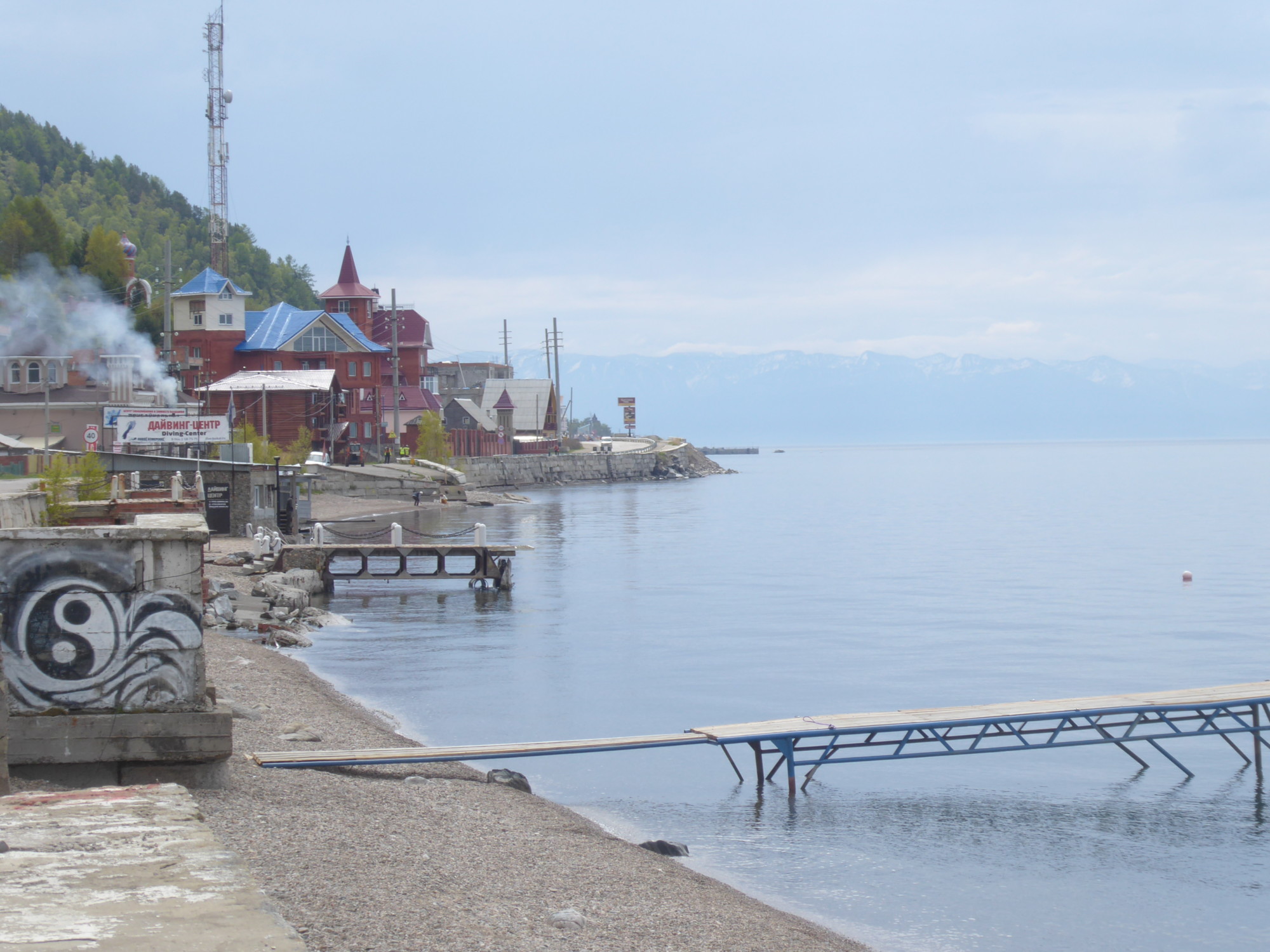
Lake Baikal

Tip: Book tours in Listvyanka or Olkhon Island (€30–100). Visit Jun–Sep for ice-free lake and hiking.

Why: World's deepest and oldest freshwater lake, UNESCO site with crystal-clear water, unique wildlife, and stunning Siberian scenery.

Must-See:

  • Olkhon Island & Shaman Rock
  • Listvyanka village & Baikal Museum
  • Boat trips & ice-walking (winter)
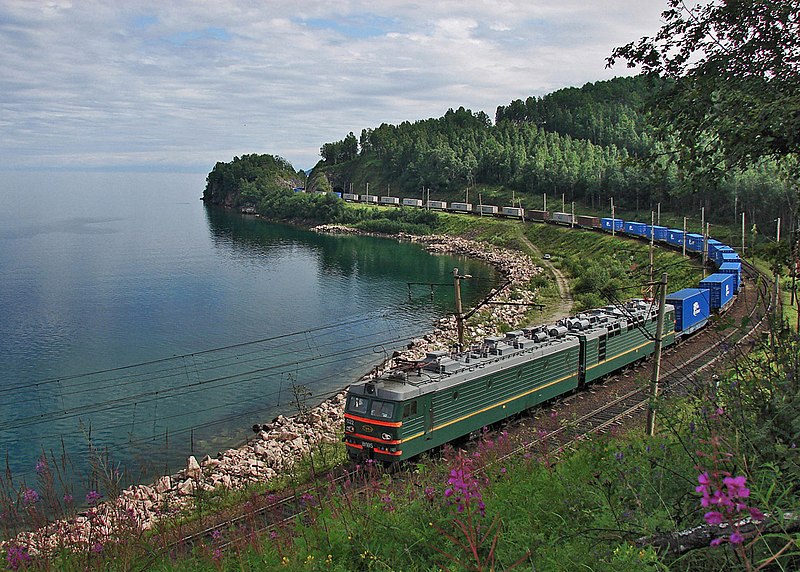
  • Circum-Baikal Railway scenic ride

How: Fly to Irkutsk (€100–300 domestic), then bus/taxi to lake (€10–30). Stay in guesthouses (€40–120/night). Tours essential.

Kazan

Tip: Visit during Tatar festivals or Sabantuy (Jun). Explore Kremlin at night for illuminated views.

Why: Vibrant mix of Tatar and Russian cultures, stunning architecture, and gateway to Volga region.

Must-See:

  • Kazan Kremlin & Qolşärif Mosque
  • Bauman Street pedestrian zone
  • Kul Sharif Mosque interior
  • Family Center "Kazan" views

How: Fly into KZN (€50–200 domestic) or train from Moscow (€30–80). Stay in center (€60–150/night). Walk or buses.

Sochi

Tip: Visit Roza Khutor for mountain views (€20–40 gondola). Combine beach and mountains in one trip.

Why: Russia's subtropical resort with Black Sea beaches, Olympic legacy, and Caucasus Mountains access.

Must-See:

  • Sochi Arboretum & Olympic Park
  • Roza Khutor & Krasnaya Polyana
  • Sochi National Park hikes
  • Agursky Waterfalls

How: Fly into AER (€50–200 domestic). Stay in resort areas (€80–250/night). Use buses or Yandex Go.

Suzdal (Golden Ring)

Tip: Rent a bike to explore villages (€5–10). Visit during cucumber festival (Jul) or honey fair.

Why: Fairytale medieval town with wooden churches, monasteries, and preserved Russian rural charm on the Golden Ring route.

Must-See:

  • Suzdal Kremlin & Cathedral
  • Wooden Architecture Museum
  • Spaso-Evfimiev Monastery
  • Market Square & medovukha tasting

How: Bus/train from Moscow (€10–30, 4 hrs). Stay in traditional guesthouses (€50–120/night). Walk or bike everywhere.

Peterhof

Tip: Buy combo tickets online (€20–30 incl. fountains). Visit in summer for Grand Cascade show.

Why: Russia's "Versailles" with stunning palaces, fountains, and gardens – a UNESCO-listed masterpiece.

Must-See:

  • Grand Palace & fountains
  • Lower Park cascades
  • Monplaisir Palace
  • Grotto & Marly Palace

How: Hydrofoil from St. Petersburg (€15–25, 30 min) or train/bus. Day trip; stay in St. Petersburg.

Trans-Siberian Railway

Tip: Book platskartny (budget) or SV (comfort) carriages in advance via rzd.ru. Pack snacks for long rides.

Why: World's longest railway journey through Siberia's taiga, Lake Baikal views, and diverse cultures.

Must-See:

  • Lake Baikal stretch (Irkutsk–Ulan-Ude)
  • Yekaterinburg & Novosibirsk stops
  • Mongolian border views
  • Train station architecture

How: Start Moscow to Vladivostok (6–7 days, €200–800). Stopovers in Irkutsk/Baikal. Use rzd.ru for tickets.

What To See In Russia

Travel Guides

Travel Guides

Travel Stories

Travel Stories