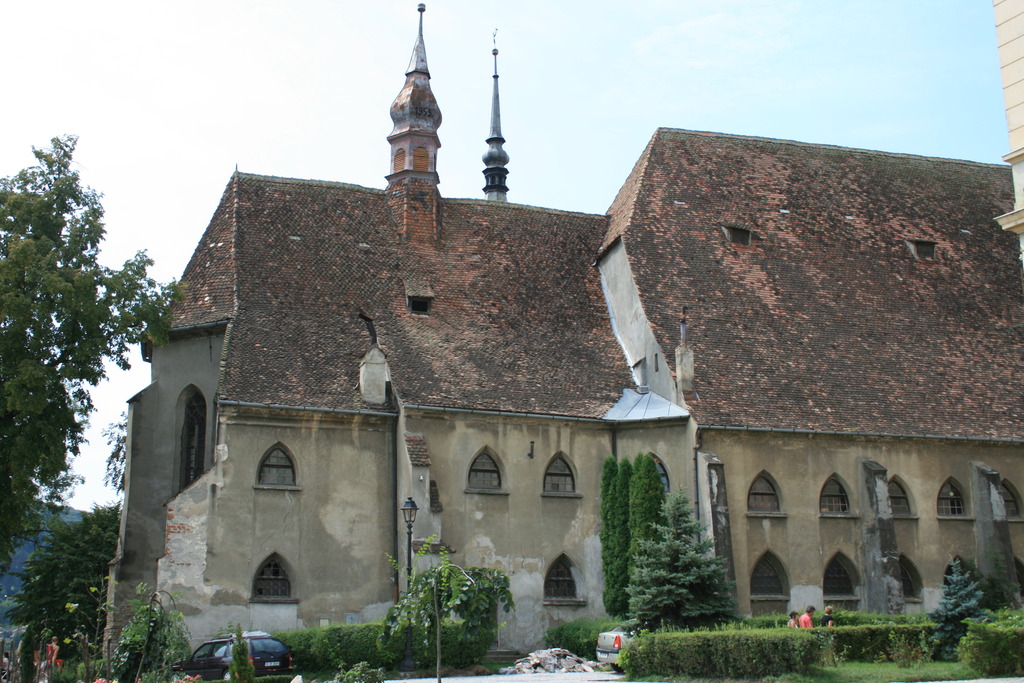
SIGHISOARA
THE BEST SIGHTS
THE ULTIMATE TRAVEL GUIDE
Best Sights In Sighisoara
Sighișoara is one of Europe's best-preserved medieval citadels and a UNESCO World Heritage Site—still inhabited after 800 years. Famous as the birthplace of Vlad the Impaler (the historical inspiration for Dracula), this colorful Transylvanian town features cobblestone streets, fortified walls, iconic towers, and a fairy-tale atmosphere. These are the absolute best sights and attractions in Sighișoara, perfect for history lovers, photographers, and anyone seeking an authentic medieval experience in 2026. This guide highlights the must-see spots, why they’re special, and practical tips to make the most of your visit.
The Best Sights & Attractions in Sighișoara
1. The Clock Tower (Turnul cu Ceas)
The iconic symbol of Sighișoara and the main entrance to the Citadel. This 14th-century tower houses a fascinating museum of history and a mechanical clock with figurines representing the days of the week. Climb to the top for stunning panoramic views over the colorful rooftops, the Târnava Mare River valley, and the surrounding hills.
Highlights: Ornate clock mechanism, museum exhibits, balcony viewpoints, dragon figure on the roof.
Best for: Photography, history, and the best overview of the entire Citadel.
2. The Citadel & Historic Center
The heart of Sighișoara—a perfectly preserved medieval fortress with cobblestone streets, pastel-colored houses, and defensive walls. Wander freely to soak in the atmosphere of a living medieval town (still home to residents).
Highlights: Piața Cetății (Citadel Square) with cafés and restaurants, colorful artisan shops, medieval guild houses, and remnants of the old fortifications.
Best for: Strolling, photography, people-watching, and feeling transported back in time.
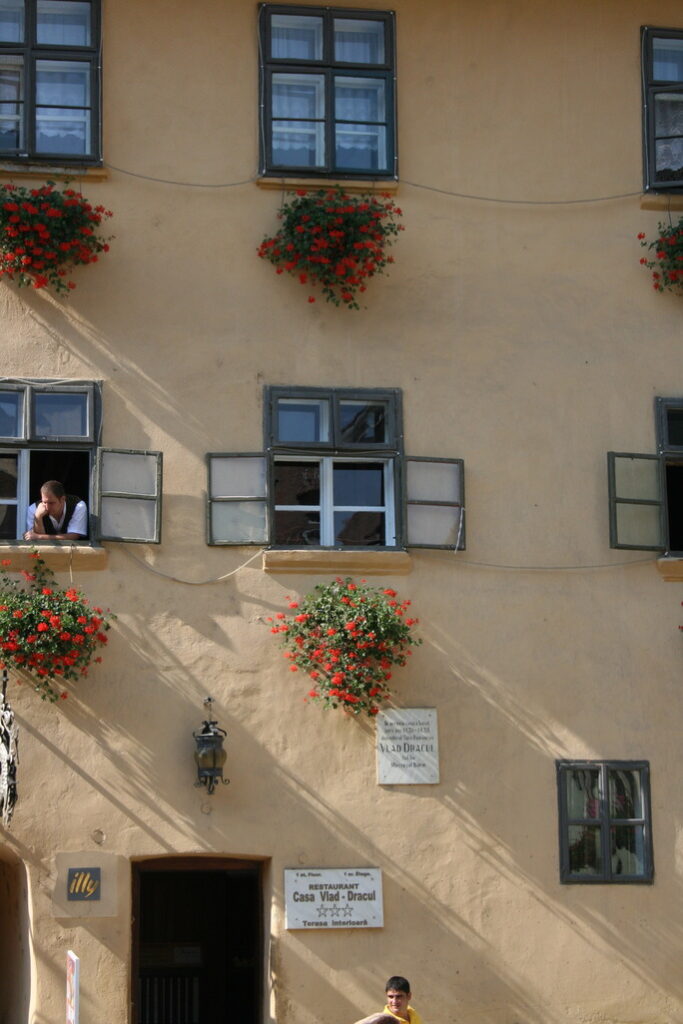
3. Casa Vlad Dracul – Birthplace of Vlad the Impaler
The house where Vlad III (Vlad the Impaler, historical Dracula inspiration) was born in 1431. Now a restaurant and small museum, it offers insight into the infamous prince’s early life.
Highlights: The room of Vlad’s birth, medieval artifacts, torture exhibit, and a statue of Vlad outside. Atmospheric dining with views.
Best for: Dracula folklore, history buffs, and a unique photo op.
4. Church on the Hill & Covered Staircase
A beautiful Gothic church atop the hill, reached via the historic covered wooden staircase (Scara Şcolarilor). Offers peaceful grounds, frescoes, and sweeping views over the Citadel and valley.
Highlights: 175 covered steps, ornate interior, cemetery with ancient tombstones, panoramic lookout.
Best for: Quiet reflection, history, and incredible photo opportunities.
5. The Town Walls & Defense Towers
Sighișoara’s original 14th-century fortifications included nearly a kilometer of walls and 14 towers (guild towers). Several remain, including the Tailors’ Tower, Butchers’ Tower, and Bootmakers’ Tower—each with unique architecture and history.
Highlights: Walk sections of the walls, explore preserved towers, views from elevated points.
Best for: Medieval defense history, scenic walks, and understanding the town’s protective past.
6. Piața Cetății (Citadel Square)
The lively central square inside the Citadel—surrounded by colorful houses, cafés, restaurants, and historic buildings. A perfect spot for people-watching, enjoying street performers, or relaxing with a coffee or meal.
Highlights: Outdoor terraces, live music in summer, nearby artisan shops, and the Plague Monument.
Best for: Atmosphere, dining, souvenirs, and soaking up the medieval vibe.
7. The Covered Staircase & Scholar’s Stairs
A unique wooden covered staircase built in 1660 to protect students from bad weather on their way to the school and Church on the Hill. One of Sighișoara’s most picturesque and photogenic features.
Highlights: 175 steps under roof, scenic views halfway up, connection to the historic school and church.
Best for: Photography, short climbs, and a sense of medieval daily life.
8. The Guild Towers & Medieval Atmosphere
Sighișoara’s defense towers were built and maintained by different guilds (tailors, butchers, tinsmiths, etc.). Several survive and showcase unique designs—some open for visits, others visible from streets and walls.
Highlights: Tailors’ Tower, Butchers’ Tower, Tinsmiths’ Tower, remnants of the original 14 towers, overall medieval feel of the Citadel.
Best for: Understanding guild history, exploring hidden corners, and appreciating architectural details.
Disclaimer: Prices, opening hours, accessibility, and conditions can change. Always check official websites, local tourism boards, and apps before your trip. Enjoy discovering the magical medieval world of Sighișoara!
Step into the past with a visit to Sighisoara, Romania, where ancient streets tell timeless tales. Explore top attractions like the well-preserved medieval citadel, a UNESCO World Heritage site, the striking Clock Tower, and the birthplace of Vlad the Impaler. Wander through narrow cobblestone paths, past colorful buildings that evoke a rich historical tapestry. Discover artisan shops, quaint cafes, and the vibrant cultural festivals that bring Sighisoara’s rich heritage to life in this enchanting medieval town.
Things to See in Sighișoara, Romania
Nestled in the heart of Transylvania, Sighișoara is one of Europe’s most beautiful and well-preserved medieval towns. Famous for its connection to Vlad the Impaler, the inspiration for Bram Stoker’s Dracula, this UNESCO World Heritage site is a vibrant city with colorful buildings, ancient stone streets, and a rich history that dates back to the 12th century. Here are the must-see sights in Sighișoara, each with a story to tell.
The Clock Tower (Turnul cu Ceas)
History and Description: The Clock Tower is perhaps the most iconic landmark of Sighișoara. Built in the 14th century, it served as the main gate into the citadel and the town’s council house. Standing at 64 meters tall, it now houses the History Museum of Sighișoara. The tower is renowned for its clock, which features wooden figurines that move at every strike of the hour and represent the days of the week.
What to See: Climb to the top for a panoramic view of the citadel and the surrounding countryside. The museum inside offers insights into local history, with artifacts that trace back to the Roman era.
The Birthplace of Vlad the Impaler
History and Description: This ocher-colored house is where Vlad III, known as Vlad the Impaler and the inspiration for Dracula, was born in 1431. He lived here until the age of four. The building is now a restaurant and a small museum dedicated to his life.
What to See: Visitors can explore the museum to learn about Vlad’s role in Romanian history and how his legacy became entwined with vampire folklore.

The Citadel Square (Piața Cetății)
History and Description: The Citadel Square is the historic center of Sighișoara, surrounded by vibrantly colored medieval houses and shops. Historically, this square was bustling with craftsmen and merchants and served as the heart of the citadel.
What to See: The square is a great place to soak up the atmosphere of medieval Sighișoara, enjoy a meal, or shop for local crafts and souvenirs.
The Scholars’ Stairs
History and Description: Built in 1642, the Scholars’ Stairs were designed to protect schoolchildren and churchgoers from the elements as they climbed to the school and the Church on the Hill during wintertime.
What to See: Ascend the covered staircase, which originally had 300 steps but now features 175, leading to the Church on the Hill and the Saxon cemetery, offering a unique glimpse into the town’s architectural ingenuit


The Church on the Hill (Biserica din Deal)
History and Description: Standing as a testament to Sighișoara’s Saxon heritage, the Church on the Hill is a Gothic church dating back to the 14th century. It features stunning murals from the 15th century, a beautiful altar, and an impressive collection of old Saxon tombstones in the adjoining cemetery.
What to See: Explore the interior’s Gothic architecture and the panoramic views of the town and beyond, which are especially breathtaking from the church’s elevated position.
The Venetian House (Casa Venețiană)
History and Description: Located in the Citadel Square, the Venetian House, built in the 16th century, is notable for its Venetian-style loggia and balcony. The name comes from the building’s facade, which resembles those found in Venice.
What to See: Admire the architecture and frescoes that make this house one of the most photographed buildings in Sighișoara.
The Monastery Church
History and Description: Adjacent to the Clock Tower, the Monastery Church was part of a Dominican monastery built in the 13th century. This church features a blend of Baroque and Gothic styles and houses an important collection of religious artifacts.
What to See: Visit the church to see its ornate altar and the beautifully preserved frescoes and statues.
Visiting Sighișoara is like stepping back in time, with each corner of the city offering a piece of history and a story to tell. Whether you’re drawn by its medieval architecture, the tales of Dracula, or the simply stunning views of the Transylvanian countryside, Sighișoara promises a memorable experience for any traveler.