
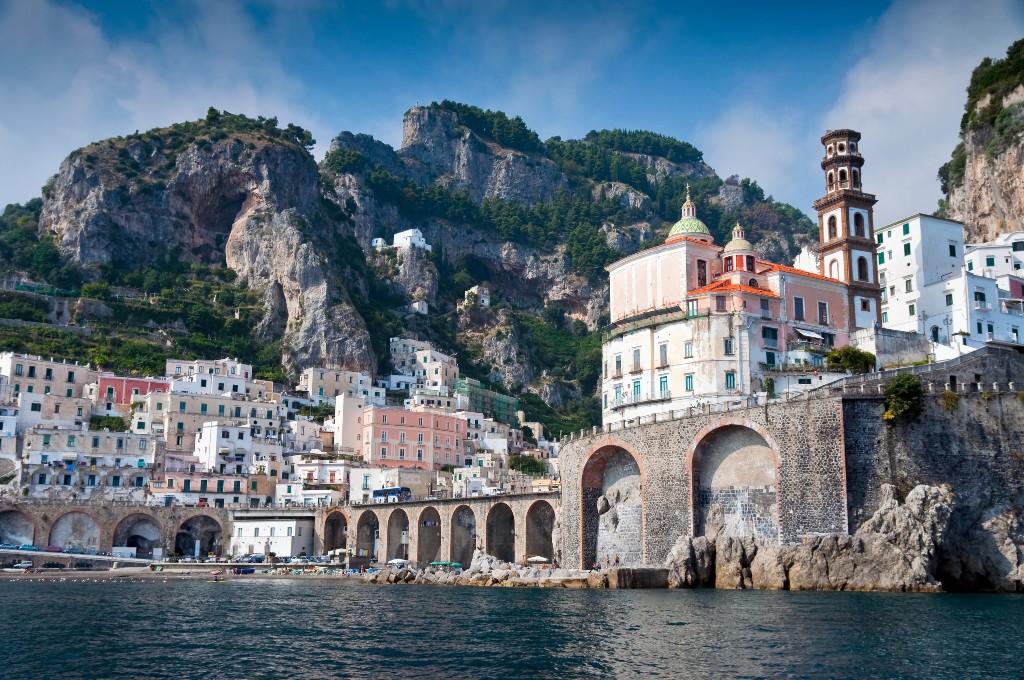
AMALFI COAST ITALY
Discover the Enchanting Amalfi Coast
The Amalfi Coast, a UNESCO-listed stretch of dramatic cliffs, turquoise waters, and pastel villages along Italy’s Sorrentine Peninsula, remains one of the world’s most captivating destinations in 2026. This guide covers the best things to do—from exploring iconic villages and hiking legendary trails to boat tours, beaches, historic sites, and mouthwatering cuisine. Plan ahead for peak season crowds, book ferries/boats early (via Ferryhopper or Travelmar apps), and embrace the slow-paced dolce vita.
Positano: The Vertical City
Iconic for tumbling pastel houses, steep staircases, luxury boutiques, and celebrity glamour. A Byzantine port turned fashion hotspot—perfect for photos, shopping, and beach vibes.
Highlights
- Spiaggia Grande (main lively beach with umbrellas/loungers €30–50/day) & Fornillo Beach (quieter, short walk via coastal path)
- Church of Santa Maria Assunta (majolica-tiled dome, Black Madonna icon)
- Boutique shopping (linen, ceramics, handmade sandals at Safari or La Bottega di Brunella)
- Viewpoints & cliffside drinks at Ocean Bar or sunset spots
- Boat tours departing from the marina for coastal views
History
Founded in the 9th century as part of the Maritime Republics; thrived on trade with Arab, Norman, Byzantine influences until the 19th century decline. Now a symbol of Amalfi glamour.
Tips
Arrive by ferry early (before 10 a.m.) to avoid day-trippers; wear flat, grippy shoes for endless stairs; shoulder season (May/June or Sept/Oct) for milder crowds/prices; book beach clubs ahead in peak 2026 summer.
Amalfi: The Historic Heart
The coast’s bustling namesake town—a hub for ferries, trails, and medieval grandeur with easy access to everything.
Highlights
- Duomo di Amalfi (9th-century cathedral with striped facade, Cloister of Paradise, crypt)
- Paper Museum (ancient papermaking tradition, demonstrations)
- Lemon groves & limoncello tastings/factories
- Central piazza (people-watching, cafés)
- Nearby Atrani (short walk, tiny authentic village)
History
Powerful maritime republic (839–1131 AD) rivaling Venice/Pisa; invented maritime law/compass; declined after 1343 tsunami but retains rich Arab-Norman-Byzantine legacy.
Tips
Climb Duomo steps early; combine with Valle delle Ferriere hike; try limoncello at local spots; less crowded than Positano but still book ferries ahead.
Ravello: Hilltop Serenity
Elevated escape with infinity views, lush gardens, and cultural events—less crowded, more romantic and artistic.
Highlights
- Villa Cimbrone (Terrace of Infinity panoramic views, gardens)
- Villa Rufolo (stunning gardens, Wagner inspiration, summer concert venue)
- Ravello Festival (outdoor classical music in beautiful settings)
- Quiet alleys, artisan shops, town square cafés
History
Medieval refuge for nobility; inspired Wagner, Virginia Woolf; villas date to 13th–19th centuries with humanist ideals of beauty/harmony.
Tips
Bus from Amalfi (20 min); time for sunset or festival (summer 2026); fewer stairs than seaside towns; combine with cooking class (e.g., Mamma Agata or Nona Orsula).
Praiano: Relaxed & Authentic
Quieter gem between Positano & Amalfi—great base for hikes, sunsets, and local life without big crowds.
Highlights
- Church of San Gennaro (striking tiled floor, art)
- Marina di Praia beach (pebble cove, sunset drinks)
- Smeraldo Grotto area views
- Gateway to Path of the Gods hike
- Private boat tours from local spots
History
Ancient origins; summer residence for Amalfi Doges; retains fishing village heritage amid growing resort appeal.
Tips
Less touristy; ideal base for trails; book boat taxis for quick hops; enjoy affordable negronis at local bars.
Maiori & Minori: Beaches & Lemons
Twin towns with sandy shores, citrus heritage, and laid-back family vibe—less glamorous but authentic.
Highlights
- Maiori’s longest beach (family-friendly, amenities)
- Minori’s 1st-century Roman Villa ruins (mosaics)
- GustaMinori food festival (summer, local cuisine)
- Sentiero dei Limoni trail through groves
- Pasticceria Sal De Riso (famous Delizia al Limone pastry)
History
Roman roots; lemon cultivation since medieval times; film locations and agricultural traditions.
Tips
Great for beach days without Positano crowds; try pastries early; short walk between towns; family-oriented.
Best Things to Do in the Amalfi Coast
Beyond villages, the coast shines with sea adventures, relaxation, history, and flavors. In 2026, book popular experiences early (esp. July–Aug) due to sustained post-pandemic demand.
Explore the Coastal Villages
Stroll Positano’s boutiques, Amalfi’s cathedral steps, Ravello’s gardens—each offers unique photo ops, gelato stops, and people-watching. Use ferries for efficient, scenic hopping (cheaper/more fun than buses in summer).
Relax on the Beaches
Pebbly coves with clear waters: Spiaggia Grande (Positano—lively, umbrellas €30–50/day), Fornillo (quieter), Marina di Praia (Praiano—great for sunset drinks), Maiori (long sand, family vibe). Swim in emerald waters; rent kayaks/paddleboards. Best in May–Oct; water warmest Sept.
Take a Boat Tour
Unbeatable views of cliffs/coves; tours (€50–150 pp) from Amalfi/Positano/Sorrento often include Emerald Grotto swim, Capri Blue Grotto detour, or sunset prosecco. Private charters for groups. 2026 tip: Book small-group or eco-tours for better experience.
Visit Historic Sites
Amalfi Duomo (climb steps for views), Cloister of Paradise, Minori Roman Villa (1st-century mosaics), paper mills. Nearby Pompeii/Herculaneum day trip possible via train/bus. Rich Arab-Norman-Byzantine heritage.
Indulge in Local Cuisine
Fresh seafood (scialatielli ai frutti di mare), sfogliatella pastry, limoncello (Sorrento lemons). Try delizia al limone dessert, anchovies in Cetara. Eat at family trattorias; book popular spots (e.g., Da Adolfo beach restaurant). Pair with local Falanghina wine.
Walking Trails in the Amalfi Coast
Hiking paradise with sea/mountain views, ancient paths, and nature. Best spring/fall (cooler, fewer crowds); bring water, sun protection, sturdy shoes. Moderate–challenging; check weather/landslide updates (Path of the Gods open and in good condition in early 2026).
Path of the Gods (Sentiero degli Dei)
Legendary 7–8 km trail (Bomerano to Nocelle/Positano), 4–5 hours, medium difficulty. Epic panoramas over Tyrrhenian Sea/Capri.
Highlights
- Cliff-edge views & terraced vineyards
- Ancient ruins & wildflowers
- Descent to Positano (1,700 steps option)
Tips
Start early; bus to Bomerano; guided if nervous about heights; trail in good condition as of early 2026.
Valle delle Ferriere
From Amalfi through nature reserve (waterfalls, rare ferns), 3–4 hours easy-moderate loop via Valle dei Mulini.
Highlights
- Waterfalls & shaded forest
- Medieval ironworks/paper mill ruins
- Cool escape from heat
Tips
Free entry; combine with town visit; slippery after rain.
Sentiero dei Limoni (Path of the Lemons)
Easy 2–3 km between Maiori/Minori through citrus terraces.
Highlights
- Lemon/scent-filled groves
- Sea views & countryside
- Family-friendly
Tips
Sample lemons/fresh produce; short & scenic.
Valle dei Mulini (Valley of the Mills)
From Amalfi to medieval paper mill ruins along river, 2–3 hours easy.
Highlights
- Shaded path & historic mills
- Lush greenery & river
- Industrial heritage insight
Tips
Cool in summer; link to Ferriere for longer hike.
How to Get to the Amalfi Coast
Fly into Naples (NAP)—closest airport. No direct train/bus from airport; combine options. In 2026, ferries run April–Oct (book ahead via Ferryhopper/Travelmar); SITA buses frequent but crowded in summer. Roads narrow/curvy—consider motion sickness aids if prone.
From Naples Airport (NAP)
Options (1–2.5 hours, €10–150):
- Private Transfer/Taxi: €85–150 (fastest, door-to-door; book ahead via Welcome Pickups or local services).
- Bus (Curreri/Pintour): Direct to Sorrento/Amalfi (€10–20, 1.5–2 hours; convenient for groups).
- Alibus to Naples Centrale + Train/Bus: Alibus (€5) to station; Circumvesuviana train to Sorrento (€4–5, 1 hour) then SITA bus/ferry; or high-speed to Salerno then ferry/bus.
- Ferry (seasonal): Alibus to Molo Beverello (€5) + ferry to Amalfi/Positano (€20–30, 1–2 hours; scenic, avoid traffic).
- Rental Car: Possible but challenging (narrow roads, parking scarce); better for flexible exploration outside peak hours.
Around the Coast
Ferries (TravelMar/NLG) best for views/no traffic; SITA buses cheap but crowded; taxis expensive. Walk between nearby towns (e.g., Amalfi–Atrani 10 min).
Tips
Avoid driving in summer; use public transport apps (Moovit/SITA); shoulder season easier. From Rome: train to Naples then connect.
The Amalfi Coast in 2026 is as magical as ever—book ferries, boats, and accommodations early for July–August. Embrace the stairs, savor the lemons, and enjoy the views. Buon viaggio!