Serbia
Top 12 Tips For Travel To Serbia
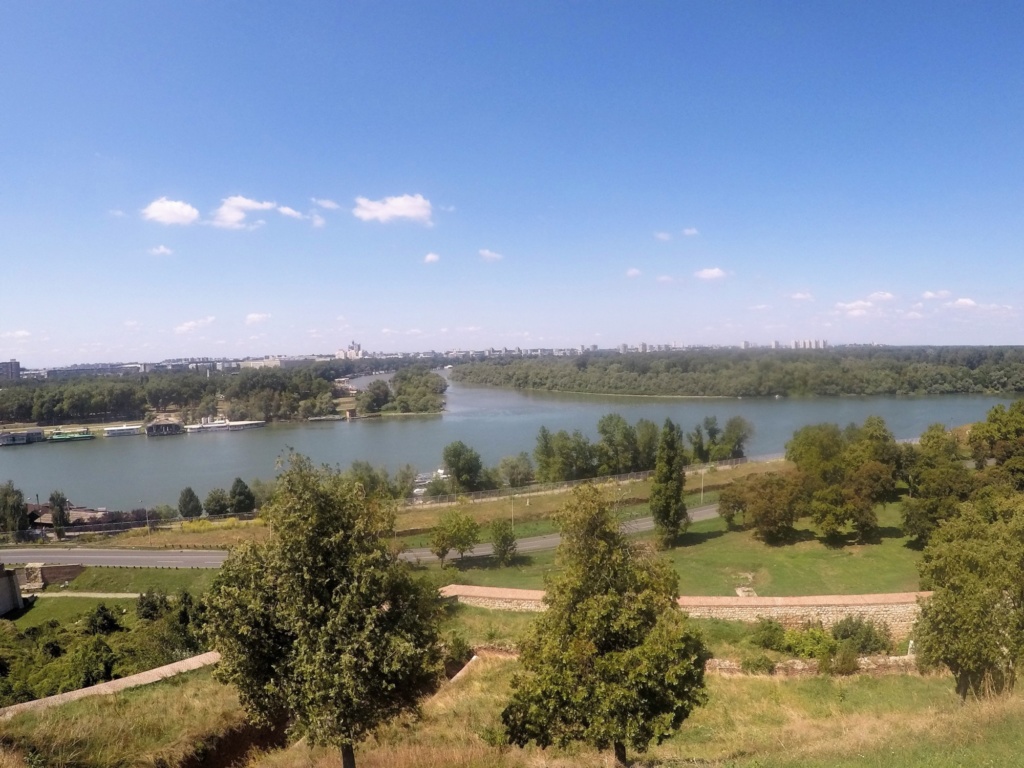
Serbia enchants with its vibrant capital Belgrade at the confluence of the Sava and Danube rivers, historic fortresses like Kalemegdan and Petrovaradin, dramatic natural wonders from Uvac Canyon’s iconic turquoise meanders (home to griffon vultures) to Tara National Park’s pristine forests and Drina River views, UNESCO-listed medieval monasteries, hearty Balkan cuisine (ćevapi, pljeskavica, rakija), lively nightlife (including splavovi river clubs), and exceptionally warm hospitality. These top 12 practical tips (expanded and updated for March 2026) help prepare for an easy, affordable, and unforgettable trip. Serbia remains welcoming and budget-friendly for most travelers—no major sanctions or payment restrictions like some neighbors. Public transport in Belgrade stays free (confirmed ongoing since 2025), buses are efficient, and Level 2 safety advice (exercise increased caution due to crime, per US State Dept) applies with normal precautions for tourists. Always check official sources for the latest.
Top 12 Essential Travel Tips for Serbia
1. Enjoy Visa-Free Entry for Most Nationalities
Most Western nationalities (US, UK, Canada, EU/Schengen, Australia, New Zealand) enjoy visa-free entry for up to 90 days in any 180-day period for tourism, business, or short visits—no visa required in 2026. This policy aligns with many countries and makes Serbia one of Europe’s easiest entries.
Passport: Must be valid at least 3 months beyond your planned departure. One blank page required for entry stamp. Carry digital/physical proof of accommodation (hotel bookings or host address), sufficient funds (€50+/day recommended), return/onward ticket, and travel insurance.
If staying privately (Airbnb, friends/family), register with local police within 24 hours of arrival—hotels/apartments handle this automatically. Overstays can lead to fines or bans.
Border Note: Serbia does not recognize Kosovo entry stamps if you enter directly from Kosovo without a prior Serbian stamp—enter Serbia first from another country (e.g., Montenegro, North Macedonia) to avoid complications. Dual nationals or those with Serbian heritage should check rules carefully.
2. Use Serbian Dinar – Cards & ATMs Widely Accepted
The official currency is the Serbian Dinar (RSD, approx. 117 RSD = €1 in early 2026). Visa/Mastercard (including contactless/mobile payments like Apple Pay) are widely accepted in cities, shops, restaurants, and ATMs—no major restrictions or sanctions issues.
Euros accepted informally in tourist spots (especially Belgrade) but change given in dinars—carry cash for rural areas, markets, small kafanas, or buses. ATMs are plentiful (use Revolut, Wise, or no-fee cards to minimize charges; withdraw 10,000–20,000 RSD at once).
Average daily budget: €40–100 (budget €30–60 backpacker; mid-range €80–120 including meals, transport, attractions). Serbia remains one of Europe’s most affordable destinations—beer €1–2, meal €5–15, hostel €15–40/night.
Declare cash over €10,000 equivalent on entry/exit. Avoid high-fee street changers; use official banks or airport exchanges.
3. Rely on Buses & Free Public Transport in Belgrade
Intercity buses are the backbone—frequent, comfortable, and affordable (€5–30 one-way; Belgrade–Novi Sad ~€5–8, 1–1.5 hrs; Belgrade–Niš ~€15, 3 hrs). Book at stations, apps (Omio, BalkanViator), or companies like Lasta/Niš-Ekspres. Trains (Srbija Voz) improving on key lines (e.g., high-speed Soko Belgrade–Novi Sad ~€6, 36 min) but slower elsewhere—scenic for Fruška Gora or Subotica.
Public transport in Belgrade remains completely free for all (residents/visitors) since January 2025—buses, trams, trolleybuses on 130+ routes. Use BusPlus app for routes/timetables (no ticket needed). Rideshares like CarGo/Bolt are cheap (€3–10 city rides) and reliable.
Car rental €25–60/day (Sixt, Avis, local firms) ideal for national parks (Tara, Uvac) or monasteries—international license recommended; roads good on highways but winding/mountainous elsewhere (drive defensively).
Taxis: Use apps to avoid overcharges; airport to center ~€20–30 fixed.
4. Drink Tap Water in Cities – Bottled Elsewhere
Tap water is treated and generally safe to drink in major cities (Belgrade, Novi Sad, Niš, Subotica) where locals consume it daily, but chlorine taste or old pipes in some buildings lead many visitors to prefer bottled (“voda” or mineral brands like Rosa/Vrnjci).
Bottled water cheap (€0.50–1) and ubiquitous—sparkling popular. In rural areas, national parks, or smaller towns, stick to bottled or boil/filter if cautious (pipes vary).
Carry reusable bottle for hikes, trains, or long bus rides—refill at hotels/cafes. Avoid ice in remote spots if stomach-sensitive.
5. Learn Basic Serbian Phrases
English is widely spoken by younger people, in tourist areas (Belgrade, Novi Sad), hotels, restaurants, and attractions; less so in rural spots or with older locals. Basics go far: “Zdravo” or “Dobar dan” (hello), “Hvala” (thank you), “Molim” (please/you’re welcome), “Govorite li engleski?” (Do you speak English?), “Koliko košta?” (How much?).
Serbian uses both Latin and Cyrillic scripts—Google Translate offline (download Serbian pack) or Duolingo helpful for signs/menus. Locals appreciate any effort—hospitality is legendary.
Modest clothing (cover shoulders/knees) for monasteries/churches (e.g., Studenica, Manasija). Remove shoes indoors when invited to homes.
6. Pack Layers for Continental Climate
Continental weather: Spring/fall mild (10–20°C), summers hot (25–35°C+ with heatwaves, humid in lowlands), winters cold (-5 to 5°C plains, -10°C+ mountains with snow). Pack versatile layers: light clothes/sunscreen/hat summer; waterproof jacket/umbrella spring/fall; thermals/insulated boots/gloves winter (skiing Kopaonik/Zlatibor Dec–Mar).
Sturdy walking shoes essential—cobblestones in Belgrade, trails in parks. Insect repellent summer (mosquitoes near rivers/lakes); power bank for long bus/train rides.
Pack light—buses have space limits. Type C/F plugs (same as most Europe).
7. Exercise Increased Caution – Low Overall Risk for Tourists
US State Dept Level 2: Exercise Increased Caution due to crime (organized crime, petty theft in crowds/markets, pickpocketing at events). Violence rare for tourists but linked to sporting events (football hooliganism—avoid high-profile matches like Red Star/Partizan). Most governments advise normal precautions—Serbia generally safe/welcoming.
Avoid flashing valuables/wealth (expensive jewelry/watches). Secure belongings in busy areas (Kalemegdan, Skadarlija, festivals). Demonstrations occasional in Belgrade—avoid if tense (traffic/police disruptions). Low terrorism risk but global vigilance applies (crowded events, public transport).
Nightlife safe but use licensed taxis/apps. Emergency: 112 (police 192, ambulance 194).
8. Savor Balkan Cuisine & Local Kafanas
Serbian food hearty/Balkan: grilled meats (ćevapi, pljeskavica in lepinja bread), sarma (cabbage rolls), ajvar (roasted pepper spread), prebranac (baked beans), rakija (fruit brandy—slivovitz popular). Try at local kafanas (taverns) or markets—affordable (€5–15 meal, beer €1–2).
Tipping: Round up or 5–10% cash if service good. Vegetarian/vegan options growing (grilled veggies, shopska salad, pasulj bean stew). Outdoor seating lively summer; try splavovi (river barges) for nightlife/food.
Breakfast often burek (pastry) or coffee/tea. Rakija shots common—pace yourself!
9. Get a Local SIM or eSIM for Data
Excellent 4G/5G coverage in cities/main routes—prepaid tourist SIMs €5–25 (MTS, Yettel/A1, Globaltel) with generous data (10–50 GB). eSIM via Airalo/Holafly (€5–30) convenient—no passport needed.
Physical SIMs often require passport registration at shops/kiosks. Use for Google Maps, CarGo/Bolt, offline Translate, bus apps. Wi-Fi widespread in cafes/hotels.
Buy at airport (Nikola Tesla BEG), kiosks, or operator stores—top up via app/online.
10. Time Your Visit for Seasons & Festivals
Shoulder seasons (late May–June, mid-September–October) ideal—mild weather (15–25°C), fewer crowds, blooming nature/fall foliage, lower prices. Summer (June–August) hot (25–35°C+), festivals peak (EXIT July Novi Sad—major electronic music; Guča Trumpet Festival August—wild brass bands/food), river beaches lively. Winter (December–March) cold/snowy—skiing Kopaonik/Zlatibor excellent, holiday markets festive.
Major events: New Year/Orthodox Christmas (Dec–Jan) fireworks/feasts; Easter traditions; Belgrade Beer Fest (August); Jazz Fest (October). Book early for EXIT/Guča—accommodation surges.
Rain highest May–June; pack accordingly. Nature best spring/fall (hiking Uvac/Tara).
11. Get Comprehensive Travel Insurance
Highly recommended—covers medical/evacuation/theft/delays. No required vaccines; stay up-to-date (routine + hepatitis A/B, tick-borne encephalitis for rural hikes/nature). Rabies risk low but consider if animal contact.
Pharmacies well-stocked (bring prescriptions). Emergency 112; private clinics faster in cities but cash often required (supplemental insurance helps). Medical facilities good in Belgrade but limited rural.
Carry digital/physical copies of passport, insurance, prescriptions. Travel insurance with evacuation key for remote areas.
12. Focus on Key Regions & Book Smart
Start Belgrade (fortress, nightlife, Saint Sava Church)—add Novi Sad (EXIT, Petrovaradin), Niš (Skull Tower, history), Subotica (Art Nouveau), national parks (Tara hiking, Uvac boat tours), monasteries (Studenica UNESCO), Danube (Golubac Fortress, Iron Gates). Compact country—easy day trips.
Book via Booking.com/Airbnb (cards accepted); hostels €15–40, mid-range €40–100/night. Use Omio/BalkanViator for buses; CarGo for rides. Guided tours (€20–60) great for monasteries/nature (English-speaking available).
Stay central (Dorćol/Skadarlija Belgrade). Combine bus/train + car rental for flexibility.
Disclaimer: Travel conditions, prices, rules, and advisories can change rapidly. Always verify with official sources (Serbian MFA, your embassy, transport sites, US State Dept/equivalent) and consult professionals before planning. This guide is for general reference only and based on information as of March 2026.