RUSSIA
How to Plan Your Trip on the Trans Siberian Railway
THE ULTIMATE TRAVEL GUIDE
How to Plan Your Trip on the Trans-Siberian Railway
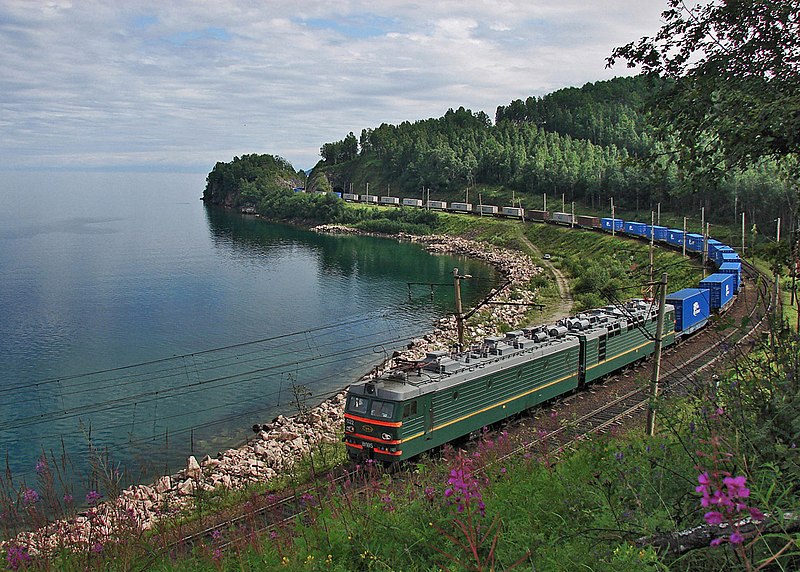
The Trans-Siberian Railway is one of the world’s greatest travel adventures—a legendary 9,000+ km journey across Russia from Moscow to Vladivostok (or extensions to Beijing/Mongolia), passing through vast taiga forests, Lake Baikal, Siberian cities, and diverse cultures. While planning this epic train trip in 2026 requires extra preparation due to sanctions, visa rules, cash-only payments, and ongoing travel advisories, with careful planning it remains an unforgettable experience. This guide covers everything you need—from routes and booking tickets to visas, packing, safety, best time to travel, and practical tips to make your Trans-Siberian dream journey smooth and memorable. Note: Many governments advise against all travel to Russia—always check the latest advisories before committing.
The 3 Main Routes of the Trans-Siberian Railway
Explore the legendary Trans-Siberian network — three iconic routes that cross continents and offer some of the world's most epic train journeys. From the classic all-Russian path to international variants through Mongolia and China, these routes showcase vast landscapes, diverse cultures, and unforgettable adventures. Durations shown are for direct through-trains; most travelers take 10–21 days with stops.
The Three Classic Trans-Siberian Routes
Trans-Siberian Railway (Classic Route)
Length: ≈ 9,289 km
Typical duration: 6–7 days (non-stop)
This is the original and longest continuous railway journey in the world, running entirely within Russia from Moscow to Vladivostok on the Pacific coast. It crosses eight time zones, passes through the Ural Mountains, vast Siberian taiga forests, the city of Novosibirsk, and ends at the Sea of Japan. It is the purest form of the Trans-Siberian experience, famous for its epic scale and remote wilderness views.
Trans-Mongolian Route
Length: ≈ 7,621 km (Moscow to Beijing)
Typical duration: 6 days (non-stop)
This popular branch diverges from the classic route at Ulan-Ude (near Lake Baikal) and heads south into Mongolia, crossing the Gobi Desert before entering China and finishing in Beijing. It offers a dramatic mix of Siberian forests, Mongolian steppe landscapes, nomadic culture glimpses, and Chinese urban arrival. It is the most internationally traveled variant.
Trans-Manchurian Route
Length: ≈ 8,986 km (Moscow to Beijing)
Typical duration: 6 days (non-stop)
This route follows the classic Trans-Siberian line as far as Tarskaya (east of Lake Baikal), then branches southeast through Russian Far East forests and crosses directly into northeastern China (Manchuria) without entering Mongolia. It ends in Beijing, passing through more forested and less arid terrain than the Mongolian route, and is often chosen by those who prefer to avoid Mongolia or want a slightly different Chinese entry point.
Disclaimer: Train schedules, ticket availability, visa requirements, border rules and travel conditions can change. Always check official sources (RZD.ru, Russian MFA, your embassy, Chinese/Mongolian authorities) for the latest information before planning. Durations are approximate for direct trains (e.g. Rossiya No. 001/002). Most travelers break the journey with stops. Information based on March 2026.
When To Travel On The Trans-Siberian Railway
Month-by-month breakdown to help you choose the perfect time for your epic train adventure. Weather, daylight, crowds, prices, scenery and events vary dramatically across the 9,000+ km route. This 2026 guide covers typical conditions from snowy winters to golden autumns.
January
February
March
April
May
June
July
August
September
October
November
December
Disclaimer: Weather patterns, train schedules, prices and travel conditions can vary. Always check current forecasts, RZD.ru and government advisories. Many governments advise against travel to Russia—verify latest safety information before booking.
How To Buy Tickets On The Trans-Siberian Railway
Booking tickets for the Trans-Siberian Railway (Moscow–Vladivostok or extensions to Mongolia/China) is simple once you know the process, but it requires early planning due to limited release windows, payment restrictions under sanctions, and visa considerations. This step-by-step guide (updated March 2026) covers every method — from official Russian Railways to reliable third-party sites — so you can secure your seats with confidence. Tickets usually go on sale ~90 days before departure — book early for summer and peak periods.
Step-by-Step Guide to Buying Trans-Siberian Tickets
Step 1: Decide Your Route, Dates & Class
Choose your main route (classic Trans-Siberian to Vladivostok, Trans-Mongolian to Beijing via Mongolia, or Trans-Manchurian to Beijing via China) and decide which segments you want to travel (full route or broken into stops).
Main classes: Platskartny (cheapest, open carriage, social), Kupe (4-berth compartment, most popular for comfort/privacy), SV/Lux (2-berth premium). Kupe is recommended for most travelers.
Plan stops (e.g., Irkutsk/Lake Baikal, Ulaanbaatar, Beijing) and check visa requirements for extensions.
Step 2: Choose Your Booking Method
Recommended for foreigners: Third-party English sites like RussianTrains.com or Tutu.travel — they accept international Visa/Mastercard, have English interface and reliable support (small service fee).
Cheapest (but hardest): Official Russian Railways (rzd.ru) — Russian language only (use browser translate), foreign cards often rejected due to sanctions.
In Russia only: Buy at stations or agencies using cash or MIR card — not practical for advance booking from abroad.
Step 3: Search & Select Your Train
Enter departure city (usually Moscow), arrival city (Vladivostok, Irkutsk, Beijing, etc.), and preferred dates. Filter by train number or class.
Choose preferred berths (lower for ease of access, upper for more privacy). For Kupe, book all 4 berths if traveling with friends/family to have the compartment to yourselves.
Check amenities (dining car, provodnitsa service) and reviews if available.
Step 4: Enter Passenger Details
Input full name (exactly as in passport), passport number, date of birth, gender and citizenship. Russian Railways requires accurate passport info for registration.
No visa number is needed at booking stage, but you must have a valid Russian tourist visa (or e-visa where accepted) before travel. For Mongolia/China extensions, separate visas apply.
Children/seniors may qualify for discounts — enter correct age.
Step 5: Pay for Your Tickets
On RussianTrains.com or Tutu.travel: Pay with international Visa/Mastercard (small fee applies). On rzd.ru: Foreign cards usually fail — use UnionPay if your card supports it or pay in Russia (cash/MIR).
Receive e-ticket by email (PDF with QR code/barcode). No need to exchange for paper ticket — show digital version on phone.
Print a backup copy and screenshot offline.
Step 6: Prepare for Boarding & Travel
Arrive at station 45–60 min early. Show e-ticket + passport to the provodnitsa (carriage attendant). Find your carriage and berth number.
Bring snacks, drinks, power bank, lock for luggage, slippers, earplugs, wet wipes. Tea from the samovar is free; dining car available on most trains.
At international borders (Mongolia/China): Get off for immigration checks (30–90 min each).
Handy Hint
If you are travelling as a couple and are going to be sharing a 4-berth compartment with strangers always book a top and bottom bunk on one side of the compartment. This way you have somewhere to sit through the day and don’t have to sit on someone else’s bunk. I know people who thought they were being clever by booking 2 top bunks giving them privacy … then spent an uncomfortable 3 days having to sit on someone else’s bunk.
Disclaimer: Booking methods, payment options, ticket availability, visa rules and travel conditions can change due to sanctions and regulations. Always verify with official sites (rzd.ru, RussianTrains.com) and your embassy before booking. Many governments advise against travel to Russia—check latest safety advisories. This guide is based on information as of March 2026.
Trans-Siberian Railway – Types of Carriages
Long-distance trains on the Trans-Siberian offer three main carriage types to suit every budget and comfort preference. Understanding the differences helps you choose the right option for your journey — whether you want maximum savings, good privacy or premium comfort. This 2026 guide compares Platskartny, Kupe and SV/Lux classes.
Platskartny (Open Carriage)
Pros
- Lowest cost
- Large windows & open feel
- Social – great for meeting locals
- Easy to move around
Cons
- No privacy at all
- Noisy at night
- Limited luggage space
- Less secure
Kupe (4-Berth Compartment)
Pros
- Good balance of price & privacy
- Lockable door
- Table for meals/activities
- More secure than platskartny
Cons
- Shared with strangers unless full
- Upper bunks harder to access
- Can feel cramped with 4 adults
SV / Lux (2-Berth Premium)
Pros
- Maximum privacy & comfort
- Only one other person (or alone if solo)
- More space, better bedding
- Quiet & secure
Cons
- Most expensive
- Fewer trains offer SV/Lux
- Less social atmosphere
Note: Prices are approximate for full Moscow–Vladivostok route (2026 estimates). Luxury private trains (e.g. Golden Eagle) offer even higher-end SV/Lux with private bathrooms and gourmet meals. Always check current classes and availability on rzd.ru or RussianTrains.com.
Trans-Siberian Railway – At The Station
Arriving at the station is the exciting final step before your epic Trans-Siberian journey begins. Russian stations can be large and busy, but the process is straightforward once you know what to expect. This 2026 guide walks you through security, ticket collection, finding your train, boarding and settling in — so you can step aboard with confidence.
Arrival & Security
Collect Your Ticket
Boarding & Settling In
Note: Station procedures, ticket machines and boarding rules can vary slightly by city (e.g. Moscow vs. Irkutsk vs. Vladivostok). Always arrive with extra time. Many governments advise against travel to Russia—check latest safety and visa information before your trip.
Trans-Siberian Survival Guide – What To Take
Long days and nights on the Trans-Siberian Railway require smart packing. Trains are comfortable but basic — no shops on some legs, limited dining cars, and shared facilities. This 2026 guide lists essentials to help you survive (and thrive) on your epic journey, whether you're in platskartny, kupe or SV. Focus on self-sufficiency, hygiene and comfort.
Food & Water
Hygiene & Comfort
Electronics, Etiquette & Extras
Train Etiquette & Survival Tips
- • Strip your bedding — Before leaving the train, remove sheets, pillowcase and blanket and hand them to the provodnitsa (carriage attendant). This is standard courtesy.
- • Keep noise low — Especially at night; use headphones for music/videos and speak quietly in shared carriages.
- • Respect shared space — Don’t spread belongings across tables or seats. Fold down tables when not in use.
- • Tip the provodnitsa — A small amount (100–300 RUB) for extra help (hot water, blankets, advice) is appreciated.
- • Use the samovar — Free hot water is available from the carriage samovar — bring tea/coffee/instant noodles.
- • Be tidy in toilets — Clean up after yourself; shared facilities mean courtesy matters.
- • Offer to share — Offering snacks or tea to compartment mates is a friendly gesture and often reciprocated.
Disclaimer: Train facilities, dining car availability, power points and conditions can vary by train and route. Always check current information on rzd.ru or RussianTrains.com. Many governments advise against travel to Russia—verify latest safety and visa information before your trip.
Trans-Siberian Railway – Where To Stop. Can I Get Off?
Yes — absolutely! One of the best things about the Trans-Siberian Railway is that you can break your journey at many fascinating cities and natural spots along the way. Most trains allow you to get off at intermediate stations and continue on a later train (same class or better). You can buy separate tickets for each segment or book the full route with planned breaks. This 2026 guide highlights the most popular and rewarding places to stop, with summaries of what makes each worth the detour.
Suggested Places to Get Off the Trans-Siberian
Ulaanbaatar (Mongolia)
Why stop: The capital of Mongolia, a unique cultural break between Russian Siberia and China. Explore Gandan Monastery, Zaisan Memorial for panoramic views, the National History Museum, and the fascinating Black Market (Narantuul).
Highlights: Nomadic culture, throat singing performances, Genghis Khan statue, day trips to Gorkhi-Terelj National Park (horse riding, rock formations).
Practical: Requires Mongolian visa (e-visa available for many nationalities). 1–3 days recommended. Trains continue to Beijing or back north.
Irkutsk & Lake Baikal
Why stop: The most popular and beautiful break on the entire route — Irkutsk is the gateway to the world's deepest and oldest freshwater lake, Lake Baikal.
Highlights: Listvyanka village (Baikal Museum, seal show, fish market), Olkhon Island (Shaman Rock, pristine beaches), Circum-Baikal Railway scenic ride, winter ice walks or summer boat trips.
Practical: 2–5 days recommended. Stay in Listvyanka or on Olkhon for lake views. Summer best for swimming; winter for ice phenomena.
Krasnoyarsk
Why stop: A vibrant Siberian city on the Yenisei River with stunning natural surroundings — a great alternative to Ulan-Ude for a more urban yet scenic break.
Highlights: Stolby Nature Reserve (famous rock pillars for hiking/climbing), Paraskeva Pyatnitsa Chapel viewpoint, Yenisei River embankment, Roev Ruchey Zoo, city history museums.
Practical: 1–3 days recommended. Easy access from the station. Summer best for hiking; winter for snowy Stolby views.
Novosibirsk
Why stop: Russia's third-largest city and the unofficial capital of Siberia — a major cultural and scientific hub with interesting architecture and museums.
Highlights: Novosibirsk Opera and Ballet Theatre (one of the largest in Russia), Lenin Square, Central Market, Zoo (snow leopards), Ob River promenade, Akademgorodok science town nearby.
Practical: 1–2 days recommended. Large, modern station. Good for a city break between nature stops.
Yekaterinburg
Why stop: The gateway between Europe and Asia — a dynamic city with rich history (Romanov execution site), modern culture and Ural Mountains access.
Highlights: Church on the Blood (Romanov memorial), Europe-Asia obelisk, Ganina Yama monastery, Vysotsky Tower observation deck, quirky street art and museums.
Practical: 1–3 days recommended. Major station with good connections. Summer best for outdoor sites.
Disclaimer: Train stops, schedules, visa requirements (especially Mongolia/China), and travel conditions can change. Always check current information on rzd.ru, RussianTrains.com and your embassy before planning breaks. Many governments advise against travel to Russia—verify latest safety and entry rules. This guide is based on information as of March 2026.