ITALY
TRAVEL GUIDE
Explore Italy with our travel guide: A country of unparalleled beauty, offering a tapestry of history, art, and landscapes. From the ancient ruins of Rome to Venice’s serene canals, the rolling hills of Tuscany, and the stunning Amalfi Coast. Savor exquisite cuisine, world-renowned wines, and immerse in vibrant traditions and charming cities
Enchanting Italy Travel Guide: Your Gateway to Unforgettable Adventures
Welcome to the Enchanting Italy Travel Guide, your essential companion for exploring one of Europe’s most captivating countries. Italy enchants with timeless beauty—ancient Roman ruins, Renaissance art, romantic canals, and dramatic coastlines. This guide helps you navigate its rich history, culture, and flavors with ease.
Iconic landmarks await: the Colosseum and Pantheon in Rome, Venice’s shimmering canals, Florence’s Duomo and Michelangelo masterpieces, Siena’s shell-shaped Piazza del Campo, Cinque Terre’s colorful villages, and the Amalfi Coast’s cliffs. Each region blends world-class art, architecture, and stunning natural scenery.
Food and wine define the experience—think carbonara in Rome, cicchetti in Venice, ribollita in Tuscany, authentic Neapolitan pizza, and regional wines from Chianti or Barolo, finished with gelato or tiramisù in charming piazzas. Practical tips cover the best seasons (spring/fall for milder weather), advance bookings, transportation, and ways to enjoy authentic local life.
This guide highlights eight top destinations, cultural experiences, hidden gems, and advice for a seamless journey. Whether planning a city break, Tuscan road trip, or island escape, Italy rewards curiosity and an open heart. Let this guide inspire your adventure in la dolce vita.
How to Travel to Italy
Need to Know
Essential facts to help you plan your trip to Italy – from visa and currency to safety and connectivity.
Why Travel to Italy
Tip: Italy offers world-class art, cuisine, history, wine, and diverse landscapes from Rome to Sicily.
Why: Iconic landmarks like the Colosseum, Venice canals, Renaissance Florence, Tuscan hills, and Amalfi Coast make it unforgettable.
How: Visit museums and sites (€10–25), enjoy meals (€15–40), and book tours via GetYourGuide (€20–100) for guided experiences.
Do I Need a Visa
Tip: Schengen visa rules apply – 90 days visa-free for many nationalities (EU, US, Canada, Australia, etc.).
Why: Ensures legal stay within the Schengen Area (up to 90 days in 180).
How: Check eligibility on italia-visa.it or your embassy. Apply in advance if needed (€80). Carry passport valid for 3 months beyond stay. Use ETIAS (from 2025, €7) for visa-exempt travelers.
What is the Currency of Italy
Tip: The currency is the Euro (€). Average daily budget €80–150 depending on style.
Why: Euro is used across Italy and most of Europe for seamless transactions.
How: Use contactless cards/Apple Pay widely accepted. Withdraw from ATMs (€2–5 fee). Avoid airport exchanges. Use Revolut/Wise for low-fee transfers.
Is Italy Expensive to Visit
Tip: Costs vary – Rome/Venice are pricier, but regions like Puglia, Umbria or Sicily are more affordable.
Why: Offers options from budget hostels to luxury; meals €10–50, transport €5–20.
How: Stay in budget hotels/Airbnb (€60–120). Eat at trattorias/pizzerias (€5–15). Book trains via Trenitalia/Italo for deals (€20–80).
Can I Drink the Tap Water
Tip: Yes – tap water is safe and high quality throughout Italy (except in rare rural spots).
Why: Strictly regulated and often excellent; saves money and plastic.
How: Drink freely from taps (“acqua potabile”). Refill reusable bottle at public fountains (common in cities). Order “acqua naturale” free in restaurants.
Can I Buy a SIM Card
Tip: Easy to buy prepaid SIM or eSIM for data and calls (€10–40).
Why: Excellent 4G/5G coverage for navigation, booking, and staying connected.
How: Purchase at airports, shops, or online (TIM, Vodafone, WindTre, Iliad). eSIM via Airalo/Holafly (€5–20). Top up online or in store.
Practical Tips for Traveling in Italy
Everything you need to know before you go – from visas and money to safety and transport.
Visa and Documentation
Tip: Schengen rules: 90 days visa-free for many nationalities. Passport valid 3 months beyond stay. ETIAS required from 2026 (€7).
Why: Allows hassle-free entry for tourism or business within the Schengen Area.
How: Check italia-visa.it or your embassy ($0). Apply for ETIAS online when implemented. Carry proof of accommodation and return ticket.
Currency and Payments
Tip: Euro (€) is the currency. Cards (Visa/Mastercard) widely accepted; contactless common.
Why: Convenient and secure; cash needed for small shops, markets, or rural areas.
How: Use ATMs for withdrawals (€2–5 fee). Apps like Revolut/Wise for low fees. Carry some cash (€50–100) for small towns or tips.
Language and Communication
Tip: Learn basics: “Buongiorno” (good morning), “Grazie” (thank you), “Parla inglese?” (Do you speak English?).
Why: Politeness is key; English is common in tourist areas but less in smaller towns.
How: Use apps like Google Translate offline ($0). Buy a prepaid SIM (€10–40) for data. Greet with “Buongiorno” always.
Safety and Dangers in Italy
Tip: Beware pickpocketing in Rome, Florence, Naples crowds, trains, and tourist sites.
Why: Petty crime common in busy areas; avoid scams like fake petitions or “help” with luggage.
How: Use anti-theft bags ($0). Stay alert in crowds. Register with embassy apps. Follow travel advisories.
More Safety Tips for ItalyAccommodation Options
Tip: Budget hotels/hostels in cities (€60–120/night), agriturismi in countryside (€80–150/night).
Why: Variety from affordable chains to charming farm stays suits all budgets.
How: Book via Booking.com or Airbnb ($0 fees for browsing). Opt for off-season deals. Consider B&Bs or apartments for longer stays.
Transportation
Tip: High-speed Frecciarossa/Italo trains (€30–150), metro in cities (€1.50/ticket), buses (€10–50).
Why: Efficient rail and public transport connect everywhere affordably.
How: Book trains on Trenitalia or Italo app ($0). Use regional passes or single tickets. Rent cars for countryside via Rentalcars.com (avoid ZTL zones in cities).
How to Get to & Around Italy
Everything you need to know about arriving in Italy and moving around its cities and regions.
Travel & Transport
International Arrival
Tip: Fly into Rome Fiumicino (FCO) or Milan Malpensa (MXP) – the main international hubs. Flights $300–900 from North America, $50–300 from Europe. Other gateways: Venice (VCE), Naples (NAP), Florence (FLR), Bologna (BLQ).
Why: Rome and Milan airports handle the majority of long-haul flights with excellent worldwide connections.
How: Compare flights on Skyscanner or Google Flights ($0). High-speed trains (Frecciarossa) from France/Switzerland/Austria (€50–200). Buses (FlixBus) from neighboring countries (€20–80).
Domestic Transport Options
Tip: High-speed trains (Frecciarossa/Italo) €30–150, domestic flights €40–150, buses €10–50, metro/trams in cities €1.50–10, car rental €30–80/day. Rideshares like BlaBlaCar €10–40.
Why: Italy’s rail network is fast, scenic, and reliable; cars perfect for countryside (Tuscany, Puglia); public transport efficient in cities.
How: Book trains via Trenitalia or Italo app/site ($0 fees). Use Uber, Free Now, or taxis in cities. Rent cars via Rentalcars.com. FlixBus for budget intercity travel. Avoid driving in historic centers (ZTL zones = fines).
When to Go to Italy
Plan your perfect trip with our guide to weather, festivals, crowd levels, and regional highlights.
When to Go to Italy
Best Time to Visit
Tip: Travel in spring (April–June) or fall (September–October) for mild weather and fewer crowds.
Why: Comfortable temperatures (15–25°C), beautiful landscapes (blooming fields or autumn colors), and easier access to major sites.
How: Book accommodations 2–3 months ahead. Pack layers for changeable weather. Avoid major holidays for better rates.
Weather by Season
Spring (Mar–May): 10–22°C. Blooming flowers, light rain – perfect for Rome gardens, Tuscany hills, and Cinque Terre trails.
Summer (Jun–Aug): 25–35°C+. Hot and sunny; ideal for beaches but very warm in cities and crowded.
Fall (Sep–Nov): 12–25°C. Mild with harvest season; excellent for wine regions and fewer tourists.
Winter (Dec–Feb): 0–12°C. Cooler and wetter north; mild south; snowy Alps for skiing.
Major Festivals & Events
Carnevale (Feb, Venice): Elaborate masks and parades in Venice.
Palio di Siena (Jul & Aug): Historic horse race in Siena’s Piazza del Campo.
Ferragosto (Aug 15): Nationwide summer holiday with beach parties and fireworks.
Venice Film Festival (Aug–Sep): Glamorous cinema event on the Lido.
Christmas Markets (Dec): Festive stalls in Bolzano, Rome, and Milan.
Crowd Levels & Costs
Peak Season (Jun–Aug): Hotels +50–100%. Rome, Venice, Florence, Amalfi Coast busiest. Book early.
Low Season (Nov–Mar): 30–60% cheaper. Quieter sites; many coastal areas subdued.
Shoulder Season (Apr–May & Sep–Oct): Best balance – pleasant weather, fewer crowds, better deals.
Regional Travel Tips
Rome & Florence: Year-round. Spring/fall for mild days; winter for fewer lines at museums.
Venice & Cinque Terre: Apr–Oct. Avoid summer heat and floods; spring/fall ideal for walking.
Tuscany & Amalfi Coast: May–Sep. Vineyards bloom spring; beaches best summer; fall for harvest.
Italian Alps & Dolomites: Dec–Mar for skiing; summer for hiking and lakes.
Packing Essentials
Spring/Fall: Layers, light jacket, scarf, comfortable walking shoes, umbrella.
Summer: Breathable clothes, sunglasses, sunscreen, hat, sandals, modest attire for churches.
Winter: Warm coat, gloves, hat, boots; thermal layers for northern regions.
Year-round: Adapter plug (Type C/L), reusable water bottle, cross-body bag, stylish neutrals.
Top Destinations in Italy
Discover 8 must-visit places from ancient cities to romantic canals, Renaissance art, and stunning coastlines.
Top Destinations in Italy
Rome
Tip: Buy a Roma Pass (48/72 hours, €32–52) for free transport and skip-the-line at major sites. Visit the Colosseum early morning or late afternoon.
Why: The Eternal City blends ancient ruins, Baroque fountains, Vatican treasures, and vibrant piazzas with world-class food.
Must-See:
- Colosseum & Roman Forum
- Vatican Museums & Sistine Chapel
- Pantheon & Trevi Fountain
- Trastevere neighborhood & gelato stroll
How: Fly into FCO (€300–900). Stay in Centro Storico or Trastevere (€120–300/night). Use metro (€1.50) or walk everywhere.
Venice
Tip: Buy a vaporetto pass (1–7 days, €25–65) for unlimited water bus rides. Visit St. Mark’s Basilica early to avoid lines.
Why: Floating canals, Gothic palaces, gondolas, and unique lagoon islands create a magical, car-free atmosphere.
Must-See:
- St. Mark’s Square & Basilica
- Doge’s Palace & Bridge of Sighs
- Rialto Bridge & market
- Murano glass & Burano colorful houses day trip
How: Fly into VCE or Treviso. Stay in San Marco or Cannaregio (€150–400/night). Use vaporetti or walk; no cars allowed.
Florence
Tip: Book Uffizi & Accademia tickets online in advance (€20–30 each). Climb Duomo dome for panoramic views (€30).
Why: Birthplace of the Renaissance with Michelangelo’s David, Botticelli’s Venus, and stunning Tuscan views from Piazzale Michelangelo.
Must-See:
- Duomo & Baptistery
- Uffizi Gallery & Ponte Vecchio
- Accademia (David statue)
- Piazzale Michelangelo sunset
How: Train from Rome/Venice (€30–80). Stay in Oltrarno or near Duomo (€110–280/night). Walk or use buses.
Amalfi Coast
Tip: Use SITA buses or ferries (€5–15) instead of driving narrow roads. Visit Positano early or late to avoid crowds.
Why: Dramatic cliffs, colorful villages, lemon groves, and turquoise sea make it one of Italy’s most scenic coastlines.
Must-See:
- Positano & Amalfi town
- Ravello gardens & Villa Rufolo
- Path of the Gods hike
- Emerald Grotto boat tour
How: Train to Salerno/Naples then bus/ferry. Stay in Positano or Amalfi (€150–400/night). Car rental optional but challenging.
Cinque Terre
Tip: Buy Cinque Terre Card (€18.20/day) for trails and trains. Visit in spring/fall to avoid summer heat/crowds.
Why: Five colorful cliffside villages, hiking trails, vineyards, and Mediterranean views create a postcard-perfect coastal paradise.
Must-See:
- Riomaggiore to Manarola sunset walk
- Vernazza harbor & beach
- Monterosso al Mare longest beach
- Corniglia hilltop views
How: Train to La Spezia then Cinque Terre line. Stay in one village (€100–300/night). Use trains/trails to hop between.
Tuscany
Tip: Rent a car for freedom (€40/day). Visit Siena’s Piazza del Campo & Duomo (€10–15). Wine tastings in Chianti (€20–50).
Why: Rolling hills, medieval hill towns, vineyards, and Renaissance art offer quintessential Italian countryside charm.
Must-See:
- Siena & Piazza del Campo
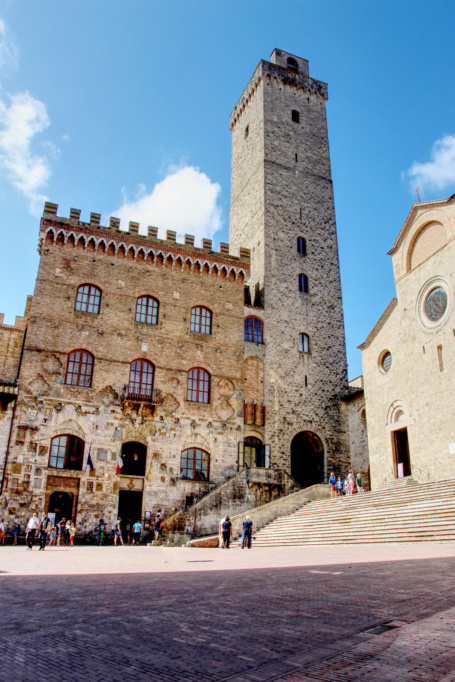
- San Gimignano towers
- Chianti wine region tastings
- Pisa Leaning Tower & Lucca walls
How: Train to Florence then car/bus. Stay in agriturismo or Siena (€90–250/night). Drive scenic routes.
Milan
Tip: Book Duomo roof tickets online (€17–25). See The Last Supper (advance reservation essential, €15).
Why: Fashion capital with Gothic Duomo, Leonardo’s masterpieces, Galleria Vittorio Emanuele II, and vibrant Navigli canals.
Must-See:
- Duomo & rooftop views
- The Last Supper (Santa Maria delle Grazie)
- Galleria & La Scala opera
- Navigli canals & aperitivo
How: Fly into MXP. Stay near Duomo (€120–350/night). Use metro (€2) or walk.
Naples
Tip: Day trip to Pompeii/Herculaneum (€16–18 entry + train €3). Eat authentic pizza at Da Michele or Sorbillo (€5–10).
Why: Vibrant street life, underground tunnels, world-best pizza, and easy access to Pompeii and Capri.
Must-See:
- Historic center & Spaccanapoli street
- Pompeii & Mount Vesuvius
- National Archaeological Museum
- Capri day trip via ferry
How: Fly into NAP. Stay in Centro Storico (€90–250/night). Use Circumvesuviana train for Pompeii.