GREECE
THE COMPLETE GUIDE TO TAKING GREEK FERRIES
THE ULTIMATE TRAVEL GUIDE
The Complete Guide To Taking Greek Ferries
Greece, with its hundreds of stunning islands, offers one of the world's most magical travel experiences — and the best way to explore them is by sea. This complete guide to taking Greek ferries in 2026 covers everything you need to know: main routes, how to book tickets, different classes, onboard facilities, whether to book in advance, how to catch a ferry at the port, and practical tips to make your island-hopping smooth and enjoyable — whether you're heading to the Cyclades, Crete, the Dodecanese, or the Ionian Islands.
Key Information for Greek Ferries
Main Ferry Routes in Greece
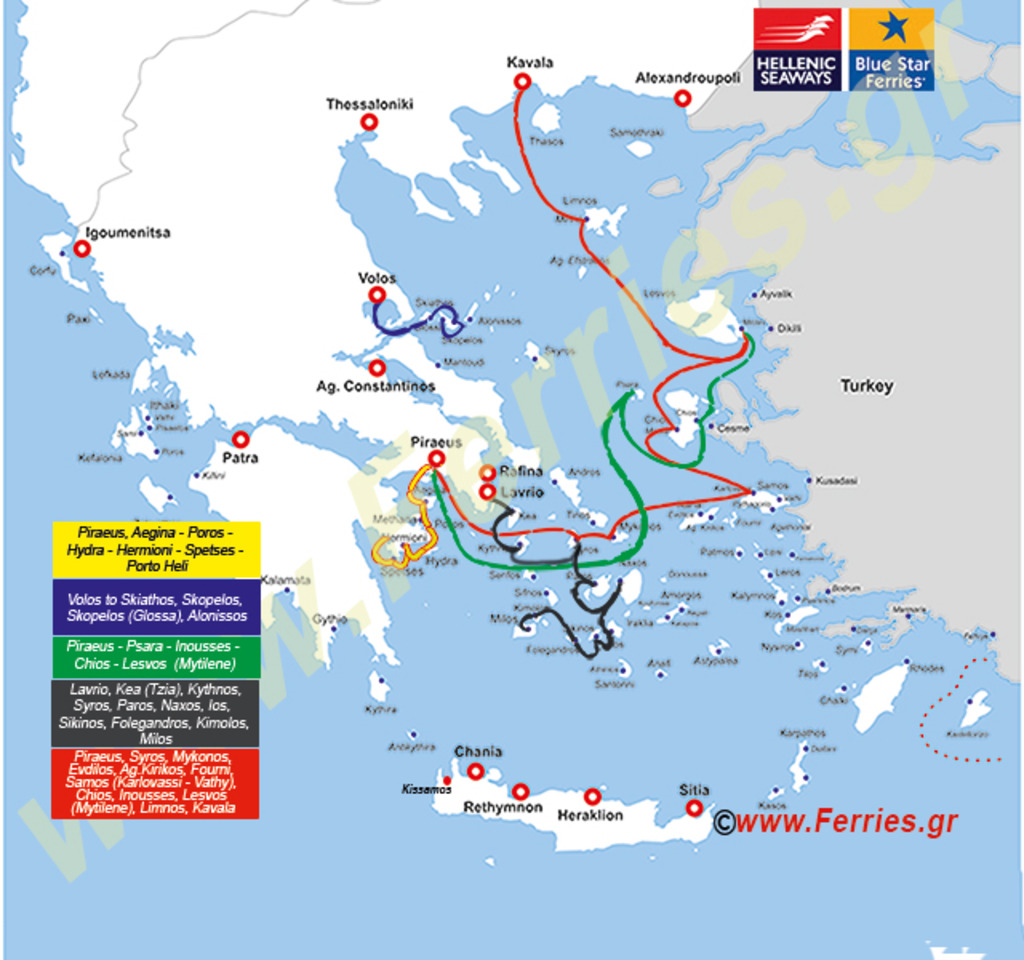
Greek ferries connect the mainland to hundreds of islands, with the busiest networks serving the Cyclades, Dodecanese, Ionian Islands, Crete, and the Northeast Aegean. Major departure ports include Piraeus (Athens' main port), Rafina (closer to Athens airport), Lavrio (for southern Cyclades), Heraklion (Crete), and Rhodes (Dodecanese).
Popular high-traffic routes:
- Athens (Piraeus) → Santorini: 5–8 hrs conventional, 4–5 hrs fast
- Athens → Mykonos: 2.5–5 hrs
- Athens → Paros/Naxos: 3–5 hrs
- Crete (Heraklion) → Santorini: 2–5 hrs
- Rhodes → Kos/Symi: 1–3 hrs
- Corfu → Igoumenitsa (mainland): 1.5 hrs
Seasonal note: Many routes run daily in summer (June–September); frequency drops significantly in winter (November–March).
How to Book a Ticket for Greek Ferries
Booking Greek ferry tickets is straightforward and can be done in several ways: online through multi-operator platforms, directly on ferry company websites, via travel agencies, or in person at port ticket offices.
Best options:
- Ferryhopper or Direct Ferries — compare all operators, prices, and times in one search
- Individual operators: Blue Star Ferries, SeaJets, Hellenic Seaways, Golden Star Ferries, Anek-Superfast
- Port ticket offices — last-minute option, but not recommended in summer
Payment methods: Credit/debit cards, PayPal (some sites), bank transfer. Always keep a digital or printed copy of your ticket — QR code or PDF works on most ferries.
Do I Need to Book Greek Ferries in Advance?
Yes — advance booking is strongly recommended, especially during peak season (late June to early September). Popular fast ferries to Santorini, Mykonos, Paros, and Crete frequently sell out weeks or months ahead, particularly for popular departure times and vehicle spots.
When to book:
- Peak summer (Jul–Aug): 3–6 months ahead for best availability
- Shoulder (May, June, Sep, Oct): 1–3 months ahead
- Low season (Nov–Apr): Often same-day or a few days ahead is fine
Vehicle spaces and cabins on overnight ferries sell out fastest — book early if traveling with a car or needing a bed.
The Different Classes On Board Greek Ferries
Greek ferries offer a range of comfort levels depending on the operator, vessel type, and route duration. Options vary between conventional (slower, cheaper) and high-speed ferries.
Main classes:
- Economy/Deck: Most affordable — open seating areas, deck access, shared lounges
- Aircraft/Business Seats: Reclining seats in quieter, air-conditioned lounges with priority boarding and better views
- Cabins: Private rooms (2–4 beds, inside/outside) for overnight or long trips — include en-suite bathroom, bedding, power outlets, and sometimes TV
- VIP/Premium Lounges: Exclusive areas on select fast ferries with extra comfort, complimentary drinks/snacks, and priority disembarkation
Note: Not all ferries have cabins — common on overnight routes (e.g., Athens to Crete, Rhodes to Athens).
Facilities Onboard Greek Ferries
Greek ferries offer a good range of onboard amenities to make your journey comfortable, especially on longer routes.
Common facilities:
- Cafes, snack bars, and self-service restaurants (sandwiches, coffee, hot meals, beer/wine)
- Full-service restaurants and bars on larger/overnight ferries
- Wi-Fi (often slow or paid; better on newer vessels)
- Clean restrooms; most large ferries are wheelchair accessible with elevators
- Outdoor deck areas for sunbathing and views (weather permitting)
- Shops selling snacks, souvenirs, and duty-free items on some routes
- Kids’ play areas and pet-friendly zones on select ferries
Cabins: Private bathroom, comfortable beds, air conditioning, power outlets, and sometimes TV or windows.
How to Catch a Ferry in Greece
Catching a Greek ferry is usually straightforward, but preparation is key — especially in busy ports during summer.
Steps:
- Arrive early: Allow 45–90 minutes before departure (longer in peak season or with a car)
- Find your gate: Large ports like Piraeus have multiple piers — check your ticket, Ferryhopper app, or port screens for the exact gate number
- Check-in/boarding: Show your ticket (digital or printed) and ID/passport. Vehicles board first, then foot passengers
- Boarding: Follow signs and crew instructions — some ferries have separate foot-passenger entrances
- Disembarkation: Foot passengers usually exit first; follow signs to exit the port
Piraeus tip: The port is large and can be confusing — download the Piraeus Port Authority app or map in advance.
Disclaimer: Ferry schedules, prices, routes, and availability can change due to weather, operator decisions, or seasonal adjustments. Always verify the latest information directly with booking platforms like Ferryhopper or the ferry operators. This guide is for general planning as of March 2026.